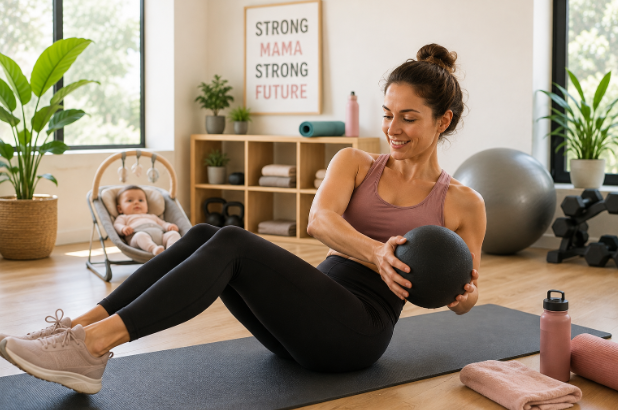
Recovering after childbirth is a gradual process that requires patience, proper guidance, and realistic expectations. While many new mothers are eager to return to exercise, the focus during the postpartum period should be on restoring strength, improving mobility, and supporting overall recovery rather than rushing back into intense workouts. A well-designed post partum exercise program helps women rebuild core stability, strengthen the pelvic floor, improve posture, and regain confidence in movement while respecting the body’s natural healing process.
Every postpartum journey is unique. Factors such as the type of delivery, overall health, sleep quality, and previous fitness level all influence recovery. A structured exercise plan that progresses gradually can support long-term health while reducing the risk of injury. Exercise professionals generally recommend a phased and individualized approach following medical clearance, particularly after the first 12 weeks, depending on each person’s recovery.
Why Exercise Matters After Childbirth
A carefully planned post partum exercise program offers benefits that extend far beyond weight management. Regular movement can help improve physical recovery while supporting mental and emotional wellbeing during the transition into motherhood.
Some of the key benefits include:
- Improved core strength
- Better pelvic floor function
- Enhanced posture
- Increased energy levels
- Reduced back and neck discomfort
- Improved circulation
- Better mental wellbeing
- Increased confidence in daily movement
Gradually rebuilding strength also prepares mothers for everyday tasks such as lifting, carrying, and caring for their baby.
When Can You Start a Postpartum Exercise Program?
Recovery timelines differ for every individual. In general, healthcare professionals recommend obtaining medical clearance before beginning structured exercise, particularly after complicated deliveries or caesarean births.
Recovery often progresses through stages:
Early Recovery
During the first few weeks, gentle walking, breathing exercises, and pelvic floor activation may be appropriate if advised by healthcare professionals.
Strength Rebuilding
After medical clearance, many women gradually begin strengthening exercises focusing on the core, hips, glutes, and overall stability.
Return to Higher Activity
As strength and endurance improve, exercise intensity can gradually increase based on individual goals and recovery progress.
Essential Components of a Postpartum Exercise Program
A balanced post partum exercise program includes several key elements that work together to support recovery.
Pelvic Floor Training
Pelvic floor exercises help restore muscle function that may have been affected during pregnancy and childbirth.
Core Rehabilitation
Deep core activation exercises improve abdominal strength while supporting the lower back and pelvis.
Strength Training
Light resistance exercises help rebuild muscle strength safely while improving functional movement.
Cardiovascular Exercise
Walking, cycling, or swimming can gradually improve cardiovascular fitness without placing excessive stress on healing tissues.
Mobility and Flexibility
Gentle stretching and mobility exercises reduce stiffness while improving posture and overall movement quality.
Benefits of a Structured Recovery Plan
Following a progressive exercise program provides several long-term advantages.
These include:
- Better movement quality
- Reduced injury risk
- Improved daily function
- Stronger muscles
- Increased endurance
- Greater confidence
- Improved physical resilience
Structured progression helps ensure that exercise remains safe while supporting steady improvements in fitness and recovery.
Tips for Exercising Safely
To get the most from your post partum exercise program, consider these practical recommendations.
Listen to Your Body
Recovery is different for every woman. Avoid comparing your progress with others.
Prioritize Proper Technique
Focus on movement quality rather than the number of repetitions or amount of weight lifted.
Stay Consistent
Short, regular exercise sessions often produce better long-term results than occasional intense workouts.
Maintain Good Hydration
Drinking enough water supports recovery, especially for breastfeeding mothers.
Get Adequate Rest
Sleep and recovery are essential components of rebuilding strength after childbirth.
Common Mistakes to Avoid
Many women unintentionally slow their recovery by progressing too quickly.
Common mistakes include:
- Returning to high-impact exercise too early
- Ignoring pelvic floor rehabilitation
- Skipping warm-up exercises
- Performing advanced abdominal exercises prematurely
- Exercising through pain
- Comparing recovery timelines with others
Following professional guidance can help reduce these risks while supporting safe progress.
Supporting Long-Term Health
Postpartum exercise is not simply about returning to pre-pregnancy fitness. It is an opportunity to build long-term strength, improve movement patterns, and establish healthy exercise habits that support future wellbeing.
A progressive approach allows new mothers to regain confidence while reducing the likelihood of persistent pain or injury. Combining strength training, mobility work, cardiovascular exercise, and proper recovery creates a balanced routine that supports both physical and mental health throughout motherhood.
Conclusion
A well-designed post partum exercise program provides a safe and effective way to rebuild strength, restore mobility, and improve confidence after childbirth. By progressing gradually, prioritizing pelvic floor and core rehabilitation, and following professional guidance, new mothers can support their recovery while reducing the risk of injury. For women seeking structured rehabilitation after childbirth, a postpartum exercise program can provide the guidance and progression needed to safely return to everyday activities and long-term fitness. Every postpartum journey is different, and individualized exercise plans offer the flexibility needed to meet changing recovery goals.
