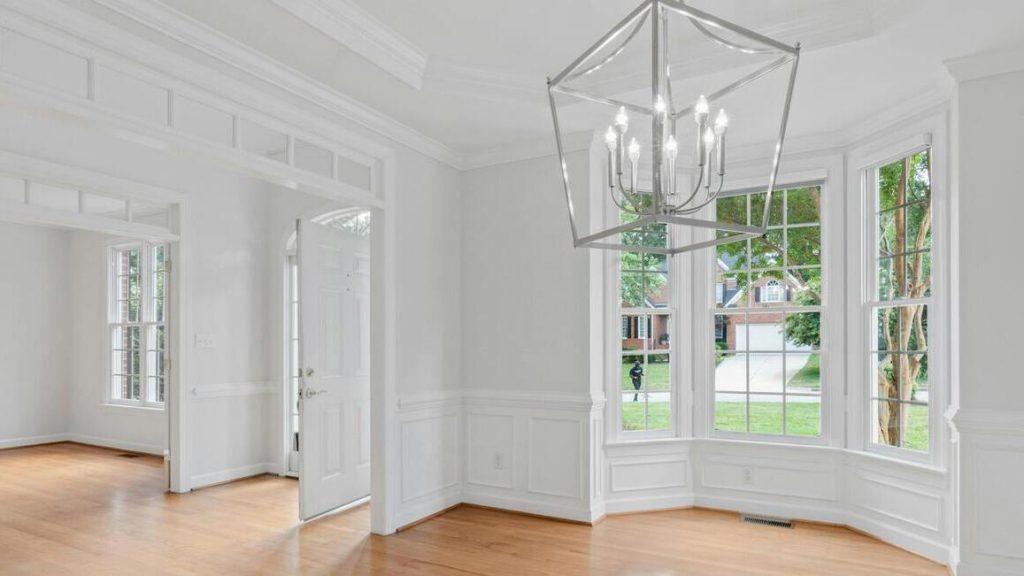
An oversized living room can feel impressive, but extra floor space does not automatically create a comfortable layout. Furniture may look scattered, conversation areas may feel too far apart, and the center of the room may remain visually empty. A large rug can bring these separate elements together.
The rug acts as a shared foundation for the main seating group. It defines where the living area begins and ends while preserving the open character of the room. The key is selecting dimensions that relate to the furniture and architecture rather than trying to cover as much flooring as possible.
Start With the Main Conversation Area
Large rooms sometimes contain several functions, such as a television area, reading corner, desk, or game table. Identify the main conversation area before choosing a rug. Measure the sofa, chairs, sectional, coffee table, and the spaces between them.
Large Area Rugs for living room 12×15 layouts can support several substantial furniture pieces. However, a 12×15 rug should be tested with painter’s tape because its scale can be difficult to judge in an empty or very wide room.
Place the tape around the complete seating group and view it from entrances, adjacent rooms, and the main seats. This reveals whether the planned rug creates a strong zone or extends into areas that should remain open.
Use an All-Furniture-On Arrangement
An oversized room often provides enough space for every seating leg to rest on the rug. This arrangement makes the zone feel generous and complete. The rug should extend beyond the back and sides of the furniture so pieces do not appear balanced on its edge.
The border does not need to be identical behind every chair, but it should feel intentional. A large sofa may require more rug depth than a narrow accent chair. The complete arrangement should still read as one connected group.
Side tables can sit fully on the rug when space permits. A media console, bookcase, or cabinet usually does not need to join the seating rug unless it forms part of the same furniture group. Keeping some pieces off the rug can make the zone clearer.
Bring Distant Furniture Together
Without a rug, furniture in a large room may be pushed toward the walls, leaving a wide empty area in the center. This can make conversation difficult and create an unfinished appearance. A large rug provides permission to bring the seating inward.
Move sofas and chairs closer together until people can speak comfortably without raising their voices. The furniture does not need to fill the entire rug. Small areas of open rug around the coffee table and between seats add comfort and visual calm.
Use the rug’s edges as a guide rather than a strict boundary. A floor lamp or plant may sit just outside the rug while still belonging to the seating area. The goal is connection, not perfect geometric alignment.
Define Space in an Open Floor Plan
In an open home, a large rug can separate the living room from a dining area or kitchen. The rug creates a visual boundary without blocking light or movement. It is especially useful when the entire floor uses the same hard surface.
Leave a clear strip of flooring between the living rug and dining furniture. This negative space acts as a walkway and prevents the two areas from blending into one oversized group. If the dining area also uses a rug, give both rugs enough separation.
Coordinate nearby rugs through color, texture, or design style. They do not need to match exactly. One can use a detailed pattern while the other remains simple, provided they share a few tones or a similar level of formality.
Respect Architectural Features
Large rugs should relate to fireplaces, windows, built-ins, and major doorways. Centering the rug in the room may not be correct if the seating focuses on a fireplace or media wall. Center it within the functional furniture arrangement instead.
Maintain safe clearance around fireplaces and heating features. Keep floor vents uncovered and make sure doors can open without rubbing against the pile. A 12×15 rug may need to shift slightly away from the room’s geometric center to respect these elements.
Look at ceiling features too. A large pendant, chandelier, or ceiling treatment may help define the seating area. When the ceiling feature, rug, and furniture share a clear relationship, the room appears more thoughtfully organized.
Make a Large Room Feel Warmer
Wide areas of hard flooring can reflect sound and make a room feel less intimate. A rug introduces a softer surface and may reduce some echo. Its texture also adds warmth, especially in rooms with tall ceilings, large windows, or minimal decoration.
Color affects the mood. Warm neutrals can make an expansive room feel more inviting, while cooler tones may support a light, open design. Darker colors create visual weight and can anchor pale furniture, but they may dominate if the room has limited light.
Pattern scale should suit the rug’s size. A very small repeating pattern may appear busy across a large surface, while an oversized design can make a strong statement. Consider how much of the pattern will remain visible after furniture is placed.
Create More Than One Zone When Needed
One large rug does not need to solve every area of an oversized room. If the space contains two separate seating groups, each may benefit from its own appropriately sized rug. A reading corner can use a smaller rug while the main conversation area uses the largest one.
Keep the zones related through color or material. Avoid placing rugs so close that their edges nearly touch, as this can look accidental. Visible flooring between them helps each group feel independent.
Think about traffic between the zones. People should be able to cross the room without weaving through chairs or stepping repeatedly over rug corners.
Choose Materials for the Room’s Activity
A formal living room may support a softer pile because it receives limited traffic. A family room with pets and children may need a lower pile, durable construction, and manageable care instructions. The larger the rug, the more important practical maintenance becomes.
Consider how the rug will be cleaned and whether furniture must be moved. Rotate it when practical to distribute sunlight and wear. Use a suitable pad to reduce movement, add cushioning, and protect the surface beneath.
When comparing options from a best online rug store, review exact dimensions, materials, pile height, and care details. Large room photographs are helpful for style, but taped floor measurements provide a more reliable sense of fit.
Final Thoughts
A large rug can turn an oversized room from a collection of separate furniture pieces into a comfortable, defined living area. It supports closer conversation, adds warmth, and gives the room a clear center.
Measure the main seating group, respect architectural features, and preserve open pathways. When scale and placement work together, the room can feel generous without feeling empty.