Certainly, one of the most expected events among players participating in Lottery Sambad is called Dear Diwali Bumper lottery. Hereinafter you can find the list of several important issues concerning Dear Diwali Bumper lottery that should be discussed.
Dear Diwali Bumper Lottery Draw
As one can see, it is rather easy to realize that the described type of lottery draw represents a holiday draw that occurs annually in India during Diwali holiday season. Moreover, it belongs to the group of Dear lottery games organized regularly by the government of India. Similar to other lottery draws, it should be emphasized that it is permitted to take part in such draw for residents of legal states in India.
Price of the Ticket & Purchase Place
Speaking about Dear Diwali Bumper lottery, it should be noted that its price is rather high, because the ticket costs 500 rupees, while the cost of the draw is only six-seven rupees. Generally, lottery tickets of the draw are distributed two weeks before the draw through sales points which sell official tickets. Moreover, lottery players have to make sure that the required information is provided on the ticket, for example, buyer’s name, printing date, serial number and state lottery directorate signature.
Structure of Prize Awards
One of the peculiar features of the described lottery is numerous opportunities to get the prize award. To start with, it should be said that the sum of the prize that was won in such a lottery amounts to several million rupees. Besides, secondary prizes include tens or even hundreds thousand rupees. Moreover, the consolation prizes can vary between a thousand and hundreds thousand rupees. All in all, the sum is dozens of crores.
Date & Time of the Draw
As it has already been mentioned, the described lottery draw is held once a year in India. In general, the described lottery takes place in the last week of October or in the first week of November according to Diwali holiday dates. In its turn, the draw is held by the directorate of the state lottery and results of the lottery are officially announced.
Verification of the Ticket
When the results of Dear Diwali Bumper lottery are officially announced, it is possible for lottery player to verify their ticket by means of a special table with numbers of series and prize awarded for each number. Each participant should not only keep the ticket, but also sign it on the reverse side in case of victory. Application with identification documents should be submitted to the lottery directorate within thirty days.
Conclusion
Thus, it is possible to draw a conclusion that Dear Diwali Bumper lottery is a unique lottery draw which features rather low price of the ticket, large amount of prize sum and annual organization. Lottery tickets should be purchased in sale points and the participant must have fun and follow his budget.
The ability to receive your result immediately after making a bet may prove to be quite fascinating and attractive for gamblers. This is explained by the fact that this action causes excitement and nervousness. Therefore, you need to try to find a way allowing you to get quick access to your results.
There are many websites nowadays which offer you to check your FF results immediately after playing. In addition, you need to think thoroughly about how you can select the most appropriate website because not all pages provide you with reliable information promptly. Therefore, when looking for websites which can inform you about the result of your game, you should prefer those ones which are focused on fast and reliable service, such as Kolkata Fatafat.
Features of Reliable Websites Offering You FF Results
As has been mentioned above, it seems obvious that a good website should be downloaded quickly since no one wants to waste his/her time for waiting for the page to appear. Furthermore, a good website should update automatically. In other words, a gambler would not need to refresh the page manually. What is more, a gambler needs a website with convenient and user-friendly design.
It is also worth saying that one should consider the website which provides its visitors not only with current results but also with past results. There might be certain gamblers who are interested in getting results even from previous weeks. Therefore, a gambler should consider receiving results of several days.
How to Interpret FF Results Table Provided by Kolkata Fatafat
First of all, the interpretation of the table is rather easy because it consists of two parts: patti number and single number. The former one implies entering three digits (such as 689, for example) while the latter one requires you to sum up three digits to receive a result (that is, 23; however, 6+8+9=23; then, the result is 3).
As far as the number of games is concerned, it is worth mentioning that this number varies according to the day. Specifically, there are usually eight bajis on a normal day while only four bajis on Sunday.
hillong teer is the archery lottery game in which skilled shooters shoot arrows towards target and generate results based on success rates in hitting the target.
Online method is the ideal way to verify Shillong teer results due to many unmatched benefits of verifying the results within few seconds. There is no need to reach physically to counters for result verification; however, verification can be done easily online.
Basics of the Game
Skillful shooters shoot arrows and hit them on the target to count the total number of arrows hitting the target and generating numbers. First round of the game is played between 3:30 pm to 3:45 pm whereas second round is played between 4:30 pm to 4:40 pm. However, results are announced after 3:45 pm for the first round and after 4:40 pm for second round daily except Sunday when game is not organized.
Gamblers select numbers between 00 to 99 to place their bets. This is the most common method adopted by gamblers in this game.
Round
Timing
Arrow Count Process
Winning Multiplier
First Round (FR)
3:30 PM – 3:45 PM
Archers shoot, total hits counted, last 2 digits used
80x bet amount
Second Round (SR)
4:30 PM – 4:40 PM
Different set of archers shoot, same counting method
80x bet amount
Both Rounds (BS)
Both FR and SR
Same number must win in both rounds
Up to 1000x bet amount
Announcements of Time Schedule of Results
Announcement of results of the first round takes place officially precisely at 3:45 pm everyday whereas announcement of results of the second round takes place at 4:40 pm everyday except Sunday when game is not held. However, results of Sunday take place on Monday.
Total number of arrows that hit the target by skillful shooters are counted and last two digits are considered to generate results of Shillong teer.
Method of Verifying Results Easily
Easy verification of Shillong teer results via internet method includes visiting https://shillongteerground.net/ where results are officially verified instantly by concerned authority. Do not visit unauthentic websites to verify the results of Shillong teer.
Visit the Website: Firstly, open your web browser and visit result websites of Shillong teer such as shillongteerground.net.
Go to Today’s Date: Secondly, visit today’s date in this website where you will see two boxes named as FR and SR.
Look for Result Availability: You must ensure that results are available at right time – FR result is available after 3:45 pm whereas SR result is available after 4:40 pm.
Refresh the Page: If result does not come at correct time then refresh the page as it will appear within few seconds.
Verification of Result: Finally, compare results with 2-3 authentic websites to confirm its accuracy.
Match Results with Numbers: Match your numbers with result for determining win or loss.
Meaning of Terms Used in Shillong Teer Game
Official numbers of the game are called as direct numbers whereas house numbers refer to the first digits of winning numbers while ending numbers refer to the last digits of winning numbers.
Suppose 567 is the total number and taking two last digits will generate number 67; thus, 67 will be generated as result number.
Definition of Shillong Teer Terminology
Any two-digit numbers between 00 to 99 that gamblers choose in order to place their bets are known as guti numbers. House numbers are nothing but first digits of winning numbers while ending numbers denote last digits of winning numbers.
Most Common Number Predictions
Prediction of numbers in Shillong teer involves applying a formula on combination of previous results and analysis of results while predicting numbers by interpreting dreams is also performed. Luck plays important role in Shillong teer game as results keep changing everyday.
How to Get Exact Results?
Exact Shillong teer results can be obtained by visiting more websites including shillongteerground.net to check the accuracy of the results because sometime websites post fake numbers just for fraudulent purpose.
Website Having Countdown Timer: Visit website that shows remaining time till FR & SR rounds.
Optimum Mobile Website: Visit websites that are optimum for use through mobile phones.
Official Website: Prefer visiting the official website rather than unauthorized application of game.
Visit Previous Results Chart: Visit previous results chart for the game to find out any pattern in it.
Bookmarking Websites: Bookmark websites where accurate results are provided.
Avoiding Result Predictive Fraud: Avoid visiting website posting fake result announcements.
Kolkata Fatafat or কলকাতা ফটাফটis one of the best lottery games that attracts a great number of gamblers from West Bengal. Gamblers prefer this lottery game because every day people have the opportunity to participate in 8 bazi rounds played in West Bengal. Ghosh Babu gained popularity as a VIP tipper teaching gamblers forecasting methodology.
What is Kolkata Fatafat?
Kolkata Fatafat is a lottery game based on guessing numbers where gamblers choose digits ranging from 0 to 9. Gamblers can make bets either on single digits or apply two digits combination that is referred to as patti. In case you guess the winning numbers, then you will win a prize.
Each day there are 8 rounds conducted in this game and known as bazi. People can bet in every round choosing number of their choice. There are plenty of options in gambling including either guessi
Round Number
Timing
Bet Type
Payout Multiplier
Bazi 1
10:00 AM
Single Number
9x
Bazi 2
11:30 AM
Single Number
9x
Bazi 3
1:00 PM
Patti (2-digit)
100x
Bazi 4
2:30 PM
Single Number
9x
Bazi 5
4:00 PM
Patti (2-digit)
100x
Bazi 6
5:30 PM
Single Number
9x
Bazi 7
7:00 PM
Patti (2-digit)
100x
Bazi 8
8:30 PM
Single Number
9x
The Mystery About Ghosh Babu Legendary Tipster
There is nothing special about Ghosh Babu because nobody saw him for many years. However, this person had played a key role in creation of number-based lottery game in the early 1970s.
Ghosh Babu became famous due to forecasting ability using his forecasting methodology. His tips helped many gamblers in guessing winning digits and winning prizes.
Why People Search For Tips of Ghosh Babu?
People usually search for tips because of the forecasting methodology used. You have an opportunity to receive free tips visiting social media like Facebook or Telegram and website such as https://ffkolkataresult.org/.
People still trust his tips and believe that they help in predicting lottery games results.
Forecasting Methodology: Ghosh Babu provides his forecasting methodology using analysis of patterns in frequency and occurrence of number during many years;
Updating Tips: People receive tips every morning before the start of new round at 10 am;
Experience: Recognition of Ghosh Babu for his long term experience in the game of Kolkata Fatafat;
Tip Availability: Free tips are available via social media including Facebook, Telegram, WhatsApp and website like ffkolkataresult.org;
People Trust Tips of Ghosh Babu.
VIP Tips Accessibility
VIP tips of Ghosh Babu are available every day before starting a round. Tips are widely distributed via media such as Facebook, Telegram, WhatsApp and ffkolkataresult.org website. This makes tips available for those who prefer different media platform.
The VIP is merely a marketing trick aimed to promote your service because you can find similar tips for free.
People Looking For Tips in Morning Hours Before Start of 10 am Round;
Recognize Tips – single digits, jodi pair or patti combination;
Compare Tips Of Different Providers – Ghosh Babu, SM, Raja and others finding identical digits;
Evaluate Tips: Gamblers analyze tips of different providers and select the best number;
Choosing Number: Gamblers choose appropriate numbers according to prediction of various tipsters;
Place Bets On Chosen Numbers: People make bets using authorized website or agent;
Monitor Results: People constantly monitor results of the rounds published at ffkolkataresult.org website.
Tips Reliability
No-one will be able to predict lottery outcomes because of uniqueness and independence of lottery results. People cannot predict lottery results no matter which methodology is used.
Gambling warning: not all states of India allow lotteries and gambling.
You Will Lose Money Due To Randomness of Lottery Result;
Developing Gambling Addiction: Gamblers may develop dependence on tips provided in this game;
Return Of Income: Gamblers must file a return under section 115BB according to 30% rate;
Scam: People can become scams’ victims requesting you to pay in advance;
Tips Expenses: People must spend reasonable amounts of money on tips that are mere recommendations.
Cultural Significance of Kolkata FF
Kolkata Fatafat became a significant part of culture since its creation in the early 1970s. People developed unique culture playing this number-based lottery game. Kolkata Fatafat is a necessary activity for many people becoming a tradition for different generations.
Legacy of Ghosh Babu is alive as people tell many legends about this figure. Moreover, tips offered by him are still very common today.
Kolkata Fatafat or কলকাতা ফটাফট is not only the unique lottery game but the unique cultural phenomenon of the city. People remember Ghosh Babu as the hallmark of the city and interest to guessing games, luck and predicting lottery outcomes.
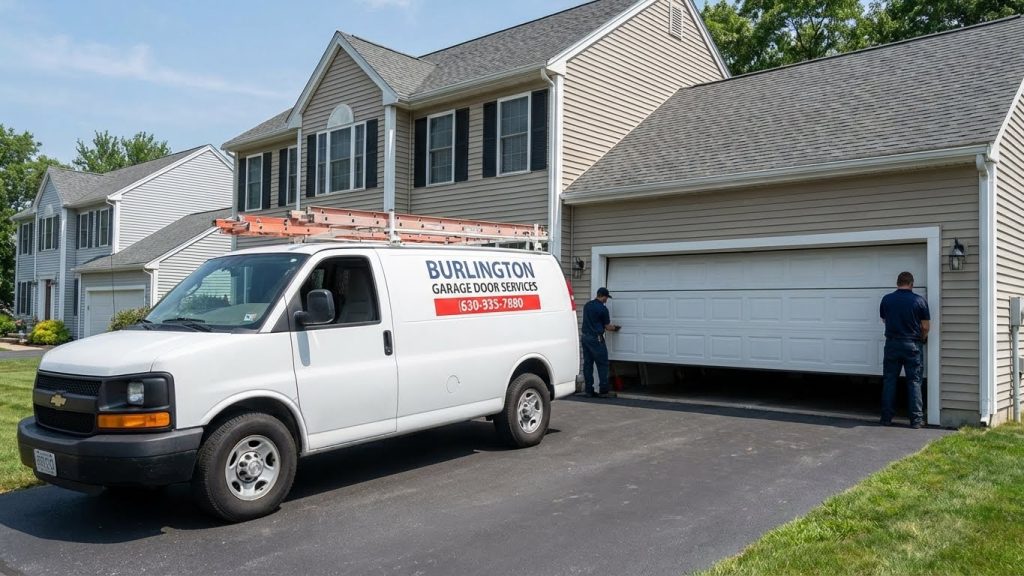
A properly functioning garage door is essential for both residential and commercial properties. It provides security, convenience, and protection while contributing to the overall appearance and value of a property. When problems arise, timely professional service becomes critical. For property owners seeking dependable solutions, garage door repair Burlington MA services offered by Magic Garage Door Repair ensure long-lasting performance, safety, and reliability.
Garage doors are complex systems made up of springs, cables, rollers, tracks, and openers that operate under constant stress. Over time, daily use and environmental factors can lead to mechanical issues that should never be ignored. Professional repair services help restore functionality while preventing further damage or safety risks.
Why Professional Garage Door Repair Matters
Many homeowners underestimate the importance of professional garage door repair. Small issues such as unusual noises, slow operation, or uneven movement often signal underlying mechanical problems. If left untreated, these minor concerns can escalate into major failures requiring costly replacements.
Professional garage door repair Burlington MA services focus on identifying the root cause of the issue rather than applying temporary fixes. Skilled technicians evaluate the entire system, ensuring that all components function correctly and safely. This comprehensive approach improves durability and reduces the likelihood of repeat problems.
Common Garage Door Issues That Require Repair
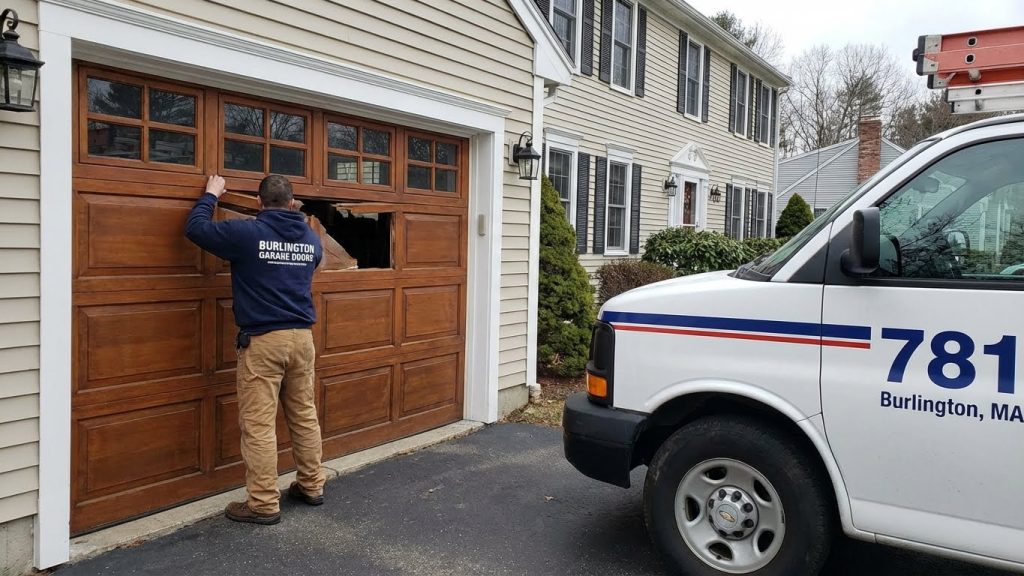
Garage doors experience wear and tear due to frequent operation. Broken or weakened springs are among the most common issues, as they bear the weight of the door and are under high tension. Damaged cables, misaligned tracks, worn rollers, and malfunctioning openers are also frequent causes of operational failure.
When these problems occur, attempting do-it-yourself repairs can be dangerous. Professional technicians have the training and tools required to safely handle high-tension components and restore the system without risk to people or property. Magic Garage Door Repair specializes in addressing these issues efficiently and safely.
Safety and Security Considerations
A malfunctioning garage door can pose serious safety hazards. Sudden door drops, sensor failures, or jammed mechanisms increase the risk of injury and property damage. Professional repair services include detailed safety checks to ensure the door opens and closes smoothly and responds correctly to safety sensors.
Security is another major concern. A garage door that does not close properly leaves a property vulnerable to unauthorized access. Reliable garage door repair Burlington MA services restore secure operation, protecting vehicles, tools, and personal belongings. Trusted providers prioritize safety and security in every repair.
Benefits of Choosing Magic Garage Door Repair
Choosing a professional service provider makes a significant difference in repair quality and long-term performance. Magic Garage Door Repair focuses on precise diagnostics, quality replacement parts, and proven repair methods. This approach ensures that repairs are durable and aligned with manufacturer standards.
Professional repairs also enhance operational efficiency. A properly repaired garage door runs quietly, responds quickly, and places less strain on the opener and other components. This not only improves daily convenience but also extends the lifespan of the entire system.
Long-Term Value and Cost Efficiency
Investing in professional garage door repair offers long-term financial benefits. Addressing issues early prevents larger mechanical failures and reduces the need for full system replacements. Routine maintenance combined with timely repairs helps property owners avoid unexpected expenses and downtime.
Well-maintained garage doors also contribute to property value. A smooth-operating and visually appealing garage door enhances curb appeal and leaves a positive impression on visitors or potential buyers.
Choosing the Right Garage Door Repair Service
When selecting a repair provider, experience, responsiveness, and technical expertise are essential. Professional services ensure that repairs meet safety standards and provide lasting results. Magic Garage Door Repair delivers dependable solutions with a focus on customer satisfaction, safety, and performance.
Working with a trusted provider ensures peace of mind, knowing that garage door issues will be handled efficiently and professionally whenever they arise.
Conclusion
Garage doors play a vital role in daily convenience, security, and property value. When problems occur, professional garage door repair Burlington MA services are essential for restoring safe and reliable operation. With experienced technicians and a commitment to quality, Magic Garage Door Repair provides effective solutions that protect both property and people.
Timely repairs, expert workmanship, and proper maintenance ensure that garage door systems remain dependable for years to come, making professional repair services a smart and necessary investment.
NAME: Magic Garage Door Address: 265 Winn St #103&104, Burlington, MA 01803, United States Phone: +1 857-333-5788
garage opener fix garage door and repair garage opener repair magic garage door repair
Hours:
Monday Open 24 hours Tuesday Open 24 hours Wednesday Open 24 hours Thursday Open 24 hours Friday Open 24 hours Saturday Closed Sunday Open 24 hours
The electric motocross industry is witnessing a transformative leap with the introduction of the Stark VARG EX. Designed for adventure seekers and trail enthusiasts, this innovative electric enduro bike combines state-of-the-art technology, high performance, and sustainable design to deliver an unparalleled riding experience. Stark Future has engineered the VARG EX to offer riders both power and precision while minimizing environmental impact.
A Technological Marvel
At the heart of the Stark VARG EX is a 360V Permanent Magnet Synchronous Motor paired with a 7.2 kWh battery. This combination produces up to 80 hp and instant torque, allowing riders to accelerate seamlessly across any terrain. The lightweight chromoly steel frame enhances agility without compromising strength, making it suitable for beginners and professional motocross athletes alike. With 11 kW power output and a 40-mile range, the VARG EX ensures that riders can tackle trails efficiently while fully enjoying the electric experience.
The bike’s unique “Flying V” honeycomb magnesium battery design optimizes cooling, reduces weight, and increases structural rigidity. This advanced engineering gives the VARG EX an unmatched power-to-weight ratio and positions it at the forefront of electric motocross technology.
Sustainability Meets Performance
The stark varg delivers an eco-conscious ride with zero emissions and minimal noise. Its electric drivetrain allows riders to traverse noise-sensitive areas and trails without disturbing the environment. By eliminating traditional maintenance requirements such as oil changes, valves, and engine rebuilds, the VARG EX offers a practical, low-cost alternative to gas-powered bikes while maintaining peak performance.
Customization and Smart Integration
One of the defining features of the VARG EX is its customization capability. Riders can personalize power delivery, traction control, and riding modes through an intuitive smartphone app. The Arkenstone device integrates seamlessly, enabling over-the-air updates, trail recording, and real-time performance monitoring. Adjustable KYB suspension, Brembo brakes, and multiple color options ensure that each VARG EX fits the rider’s unique style and skill level.
This high level of customization not only enhances the riding experience but also enables riders to adapt quickly to varying trail conditions, improving safety and efficiency.
Advanced Battery Life and Efficiency
The VARG EX battery is engineered for endurance. Riders can enjoy up to six hours of trail riding or a full motocross race, with a recharge time of under two hours. The battery maintains over 80% of its capacity after 1,000 full charge cycles, offering longevity far beyond conventional 450cc engines. By integrating lightweight construction and efficient cooling, the VARG EX ensures consistent power delivery and a smooth riding experience.
Lightweight Agility and Handling
Weighing only 120 kg, the VARG EX provides superior control and maneuverability. Its optimized chassis, reduced rotational mass, and carefully balanced center of gravity make navigating technical trails and high-speed courses effortless. Riders frequently comment on how the VARG EX feels lighter than a 125cc bike, highlighting the thoughtful design that maximizes agility without sacrificing comfort.
Support and Reliability
Stark Future backs every VARG EX with rigorous quality assurance, a two-year warranty, and 24/7 technical support through the VARG app and authorized dealers. This commitment ensures that riders can rely on their bikes for both recreational and professional use, with confidence in performance and durability.
The Stark VARG EX represents a new era in electric enduro biking. Combining innovative engineering, high performance, and sustainability, it offers riders an extraordinary blend of power, control, and convenience. With advanced customization, lightweight design, and intelligent battery management, the VARG EX sets a new benchmark for electric motocross.
For riders seeking a professional-grade, environmentally conscious, and exhilarating electric bike, the Stark VARG EX is the ultimate choice—delivering precision, endurance, and unmatched performance in every ride.
Setting financial goals can feel like staring up at a mountain—daunting, and you may not know where to start. However, breaking down your goals based on timeframes and tailoring them to fit your life makes the process much more achievable and rewarding. In this article, we’ll explore what financial goals are, why they matter, and how to craft them effectively using SMART goal-setting. We’ll also provide examples for each timeframe, and guide you on how to stay motivated, prioritize, and adjust your goals when life throws a curveball.
What Are Financial Goals?
Financial goals are specific objectives that revolve around your money. They can range from paying off debt to saving for a dream vacation, building an emergency fund, or preparing for retirement. These goals provide a framework for managing your income, savings, investments, and expenditures, shaping your financial future.
Why Are Financial Goals Important?
Without a clear financial roadmap, it’s easy to get lost in the day-to-day shuffle of spending and saving, often without realizing how your choices affect your long-term wealth. Financial goals give your money a purpose. They help you stay disciplined, make informed decisions, and hold yourself accountable. Importantly, having financial goals offers peace of mind, knowing you’re actively working toward financial security.
Financial Goal Examples Based on Timeframes
When thinking about financial goals, it’s helpful to categorize them by their timeframe. Generally, financial goals can be divided into three categories:
Short-term Financial Goals: Achievable in the next year.
Short-term financial goals are designed to be achievable within a relatively brief period, usually within a year or less. These goals typically address immediate needs or set the foundation for larger financial aspirations. One of the most common examples of a short-term goal is building an emergency fund, which can protect you against unexpected expenses such as medical bills or car repairs. Paying off high-interest debt, like credit card balances, is another vital short-term goal that can free up financial resources and reduce stress. The simplicity and tangibility of short-term goals make them attainable, giving you a sense of accomplishment as you achieve each one.
In addition to their immediate impact, short-term financial goals often serve as stepping stones for mid-term and long-term plans. For instance, creating and sticking to a budget is a short-term goal that not only improves your financial awareness but also sets the groundwork for more significant financial achievements down the road. Whether you’re saving for a small vacation or making sure you’ve got an emergency safety net, short-term financial goals play a crucial role in establishing the discipline and good habits needed for lasting financial health.
Mid-term Financial Goals: Achievable Within 1-5 years
Mid-term financial goals typically take one to five years to achieve and often involve a higher level of planning and discipline than short-term goals. These might include saving for a down payment on a house, starting a small business, or paying off a sizable chunk of student loans. Mid-term goals bridge the gap between the immediate priorities of short-term goals and the distant objectives of long-term planning. For instance, if you’re aiming to save $20,000 for a home down payment in four years, you would need to set clear monthly or annual savings targets. Achieving these goals requires a more strategic approach, balancing your current expenses while allocating resources toward future milestones.
Because mid-term financial goals often involve significant life events, they can be more emotionally charged than short-term goals. This makes it crucial to regularly assess your progress and adjust your strategies as needed. Whether it’s refining your budget, increasing your income through a side hustle, or adjusting your savings contributions based on unexpected expenses, staying flexible with mid-term goals ensures you stay on course. These goals are where you begin to see the benefits of your short-term efforts, making the payoff not only financially but personally fulfilling.
Long-term Financial Goals: Plan for and Beyond 5 Years
Long-term financial goals often span five years or more and typically align with life’s biggest milestones. These goals might include saving for retirement, paying off a mortgage, or building a robust investment portfolio that ensures financial independence. Because of their extended timeline, long-term financial goals require consistency, patience, and a solid strategy. For instance, saving for retirement may involve regularly contributing to a 401(k) or IRA, benefiting from compound interest and employer matches over time. The key to long-term goals is persistence; small, steady contributions can grow exponentially, turning ambitious targets into reality.
While long-term financial goals can seem distant, the earlier you start, the easier they become to achieve. Breaking these large goals into smaller, more manageable steps, such as setting annual savings or investment targets, helps keep you motivated and on track. It’s also essential to revisit long-term goals periodically to ensure they still align with your lifestyle, especially as circumstances change. Whether you encounter a shift in career, unexpected financial windfalls, or new family priorities, flexibility in adjusting your long-term plan ensures you continue progressing toward financial security and independence.
Leverage SMART Goal Setting as a Blueprint for Success
SMART goals—Specific, Measurable, Achievable, Relevant, and Time-bound—are a popular framework to ensure your financial goals are concrete and attainable.
Specific: What exactly do you want to achieve?
Measurable: How will you know you’ve accomplished it?
Achievable: Is it realistic given your current resources?
Relevant: Does this goal align with your broader life ambitions?
Time-bound: When will you complete it?
For instance, instead of a vague goal like “I want to save money,” a SMART goal would be: “I will save $500 in three months by cutting down on dining out.”
Expert Tip: Use Financial Goal Examples as Inspiration, But Tailor Them to Your Life
While examples of financial goals can offer clarity and direction, it’s essential to personalize them based on your circumstances, values, and lifestyle. What works for someone else may not align with your priorities. Focus on what matters to you, whether that’s retiring early, buying a home, or building a business. Your financial goals should reflect your unique aspirations, not just popular benchmarks.
What Are Examples of Short-Term Financial Goals?
Short-term financial goals often involve immediate needs or small changes that can lead to bigger, long-term success. Some examples include:
Building an emergency fund: Saving three to six months of living expenses can protect you against unexpected events like job loss or medical emergencies.
Paying off high-interest debt: Focus on clearing credit card debt or personal loans that carry hefty interest rates.
Saving for a specific purchase: This could be anything from a vacation, a new appliance, or even a minor home renovation.
Creating a monthly budget: A simple yet impactful goal to improve your financial awareness and spending habits.
What Are Examples of Long-Term Financial Goals?
Long-term goals involve your broader life plans and often require years, if not decades, of dedication. They often form the foundation of financial planning. Some examples include:
Saving for retirement: Whether it’s through a 401(k), IRA, or other retirement plans, setting aside money early allows it to grow over time.
Paying off your mortgage: For many, paying off a home is one of the largest long-term financial commitments.
Investing for your children’s education: College funds or other savings accounts can be started well in advance.
Building a legacy or estate: Preparing for wealth transfer or charitable giving ensures your assets benefit future generations or causes you care about.
How Do I Prioritize My Financial Goals?
Prioritization is crucial because not all goals carry the same weight. Start by categorizing your goals into “needs” and “wants.” For example, an emergency fund or retirement savings might rank higher than saving for a vacation. Once you’ve determined which goals are non-negotiable, allocate your resources accordingly. Also, focus on achieving short-term goals that pave the way for your mid- and long-term goals. Small wins will help build the momentum and discipline required for larger, more complex goals.
How Can I Stay Motivated to Achieve Long-Term Financial Goals?
Staying motivated over the long term can be challenging, but there are strategies to help you stay on track:
Set milestones: Break your long-term goals into smaller, more manageable steps. Celebrate reaching these milestones to maintain enthusiasm.
Track your progress: Regularly monitoring your progress—whether through apps, spreadsheets, or even monthly check-ins—can keep you focused.
Visual reminders: Whether it’s a vision board or a simple note in your wallet, reminders of why you’re working toward a goal can serve as a motivational nudge.
Reward yourself: Occasional small rewards when you reach specific targets can help maintain momentum without derailing your larger goal.
How Do I Adjust My Financial Goals if My Income Changes?
Life is unpredictable, and your financial goals should be adaptable. If you experience a significant change in income, whether positive or negative, reassess your goals with the following in mind:
Revisit your budget: Adjust your spending and saving habits based on your new income.
Prioritize essential goals: Focus on what’s most critical, such as debt repayment, emergency funds, or retirement savings.
Scale back on non-essentials: If your income decreases, it may be necessary to adjust or delay non-essential goals like vacations or luxury purchases.
Increase contributions: On the flip side, a rise in income could allow you to accelerate certain goals, such as increasing retirement contributions or paying down debt faster.
Final Thoughts
Financial goals, whether short-term or long-term, provide the structure necessary to build a secure and prosperous financial future. By following the SMART goal-setting framework and keeping your goals aligned with your circumstances, you can chart a course toward achieving financial success. Prioritize wisely, stay flexible, and remain committed. With the right mindset, no financial goal is too ambitious.
Even in today’s digital world, writing a check remains an essential skill. Whether you’re paying rent, covering a deposit on a home, or navigating an old-school transaction, knowing how to fill out a check can save you time—and possibly some processing fees. While many of us lean on debit cards, mobile payments, and digital banking, there are still moments when a check is the preferred or only option.
So, if you’re wondering how to write a check or simply need a quick refresher, this guide will walk you through the process, step by step. You might be surprised by how useful this traditional method of payment can still be.
Why You Might Need to Write a Check
Although it may feel like a relic of the past, there are certain situations where writing a check is not only useful but required. Here are a few common examples where knowing how to write a check is still necessary:
Rent or down payments: Many landlords and sellers still request checks for security deposits or monthly payments.
Gifts for special occasions: For weddings, graduations, and other milestones, checks often serve as thoughtful, tangible gifts.
Government services: Some government offices, such as DMVs or permit offices, accept only checks to avoid credit card processing fees.
Small business payments: Independent contractors or small businesses may prefer checks due to lower transaction costs.
Campgrounds or remote facilities: Some national parks and campgrounds operate entirely on check payments, especially in more remote areas with limited technology.
Even if you don’t write checks often, keeping a checkbook on hand can be incredibly convenient in these situations. Now, let’s get into the specifics of how to properly fill one out.
Step-by-Step: How to Write a Check
When you’re holding a blank check, it might seem daunting at first. But once you break it down, filling out a check is quite simple. Here’s how to write a check in six easy steps:
Date the Check
In the top right corner, you’ll find a line where you write the date. This can be written in any standard format (MM/DD/YYYY), and it’s essential for verifying when the check was issued.
Write the Payee’s Name
On the line labeled “Pay to the Order of,” write the name of the person or business you’re paying. Be sure to spell everything correctly and legibly to avoid any issues when they deposit or cash the check.
Fill in the Payment Amount (Numerical)
Next to the payee’s name, you’ll see a small box where you write the payment amount in numbers. For example, if you’re paying $125.50, you would write “125.50” in this box.
Write the Payment Amount (Words)
On the line directly beneath the payee’s name, write out the dollar amount in words. For example, “One hundred twenty-five dollars and 50/100.” This is a crucial step as banks use this line to confirm the check’s amount. If there’s a discrepancy between the numbers and the words, the written amount will typically prevail.
Memo Line (Optional but Useful)
The memo line at the bottom left of the check is where you can specify the purpose of the payment. Whether it’s for “rent,” “plumbing repairs,” or “wedding gift,” this is your space to remind the payee (and yourself) of the transaction’s purpose.
Sign the Check
Finally, sign your name on the signature line in the bottom right corner. Without a signature, the check is not valid. Use the same signature that’s on file with your bank to ensure it’s accepted without any issues.
Tips for Filling Out a Check
While the process may seem straightforward, here are a few additional tips to ensure that your checks are written properly every time:
Use a pen: Always use a blue or black ink pen to write your checks. This makes it harder for someone to alter any details and ensures the information stays legible over time.
Avoid abbreviations: When writing out the payee’s name or the payment amount, avoid using abbreviations that might confuse the bank or the recipient. Clarity is key.
Double-check the amount: Before you hand over the check, double-check that the written and numerical amounts match. Even small errors can cause headaches for both you and the payee.
Why Knowing How to Write a Check Still Matters
In a world of instant transfers and mobile apps, you might wonder why you even need to know how to write a check. But checks can be incredibly useful in scenarios where digital payments aren’t feasible or where transaction fees add unnecessary costs.
Take government offices, for example. Many places charge a processing fee when you use a credit or debit card. A check, on the other hand, avoids that fee altogether, saving you a few dollars. Plus, checks serve as a paper trail, providing both you and the payee with a record of the transaction.
Another important factor? Not everyone has transitioned to the digital world. Small business owners, particularly independent contractors or local service providers, often prefer checks for the lower fees and the simplicity of depositing funds. So, whether you’re paying your gardener or hiring a plumber, writing a check can be a smart way to avoid additional charges.
Final Thought: Keep the Skill in Your Toolbox
Writing a check may not be the go-to method for most transactions anymore, but it remains a useful skill to have. Whether you’re paying rent, gifting money for a wedding, or dealing with a contractor, knowing how to fill out a check correctly can save you time, fees, and potential headaches.
In those rare but important situations where writing a check is necessary, you’ll be glad you took the time to learn the process. It’s a straightforward task, but one that keeps you prepared for those moments when digital isn’t an option.
Owning a home is one of life’s major milestones, but when it comes to your credit score, it’s not as simple as “I bought a house, so my score will change.” While the act of owning a home itself doesn’t directly impact your credit, how you finance that home can affect your score in multiple ways. You’re not just buying a house—you’re taking on a financial commitment, and how you manage it can either help or hurt your credit.
Let’s break down How Homeownership Affects Your Credit Score and why you need to pay close attention to the financial ripple effects of your mortgage.
How Homeownership Appears on Credit Reports
Surprisingly, the fact that you own a home doesn’t show up on your credit report. If you pay for it in cash, no credit bureau will ever know. But if you take out a mortgage, that’s a different story. Mortgage inquiries and the loan itself become part of your credit history, showing up as installment loans.
When you apply for a mortgage, the lender pulls your credit, creating a “hard inquiry.” This inquiry stays on your credit report for two years, but don’t worry—its impact fades after the first year. Once you close on the house, your mortgage is added to your report and any future home equity loans or lines of credit will appear as well.
How a Mortgage Affects Your Credit Score
While a hard inquiry may only shave a few points off your credit score, the real magic happens when your mortgage is added to your credit mix. Having a variety of credit types—like installment loans (mortgages, car loans) and revolving credit (credit cards)—is good for your score, accounting for 10% of the FICO formula.
Additionally, unlike credit cards, your mortgage doesn’t impact your credit utilization ratio, which is the percentage of available credit you’re using. This is good news because it means your mortgage won’t count against you in this critical part of your credit score.
The Power of On-Time Mortgage Payments
The real driver of your credit score? Your payment history. This makes up 35% of the FICO scoring model, and it’s where your mortgage can either help you shine or drag you down. Every on-time mortgage payment is a signal to lenders that you’re reliable and responsible with your debt.
However, just one late mortgage payment can seriously damage your credit score, so it’s essential to make sure payments are on time. Automating your payments or setting reminders can save you from costly mistakes. Even if you slip up and miss a due date, there’s a grace period—lenders typically wait 30 days before reporting a missed payment to credit bureaus, giving you some time to catch up.
The Long-Term Credit Benefits of Homeownership
Owning a home offers long-term benefits for your credit score, provided you manage it wisely. Your mortgage, if handled responsibly, can increase the average age of your credit accounts over time—a factor that plays a role in improving your score. Essentially, the longer you have your mortgage and make payments on time, the better it reflects on your credit.
Moreover, having home equity—a portion of the house you’ve paid off—can provide additional credit opportunities. Homeowners often have access to loans or lines of credit secured by their home equity, and if you handle these responsibly, they can further boost your score. But remember, maxing out a home equity line can also negatively affect your credit utilization ratio if you’re not careful.
Credit Opportunities Unique to Homeownership
One of the perks of owning a home is the access to credit opportunities that aren’t available to renters. From home improvement loans to special financing for major projects, being a homeowner can unlock new ways to manage and improve your property.
For example, store credit cards or appliance loans can offer installment plans for big purchases like appliances or furniture. Some home improvement contractors offer financing options for large renovation projects. These opportunities not only help you maintain your home but, if used responsibly, can also add positive data to your credit report.
Managing Debt as a Homeowner
The transition from renting to owning can be a financial adjustment, especially if your mortgage is higher than your previous rent. It’s crucial to maintain discipline when managing other debts like credit cards and personal loans. Carrying high credit card balances because of new home-related expenses can harm your credit utilization ratio and make it harder to keep up with payments.
Be mindful of your debt load, and if possible, avoid taking on new high-interest loans. Leveraging your home equity responsibly is often a better option for financing major expenses rather than relying on unsecured personal loans, which tend to have higher interest rates.
Final Words
Owning a home isn’t a magic bullet for improving your credit score, but it does offer opportunities—both good and bad—that can influence your financial health. A mortgage, when managed properly, can enhance your credit mix and add positive weight to your payment history over time. On the flip side, falling behind on mortgage payments or taking on too much home-related debt can put your score at risk.
The key takeaway? If you’re responsible with your housing debt and manage other loans carefully, homeownership is likely to have a positive effect on your credit in the long run. Balance is everything, and by staying disciplined, you can make homeownership work in your favor.
When we talk about success, money and confidence often stand at the forefront. But have you ever considered how deeply intertwined these two elements are? For many, money is seen as the ultimate goal—an end in itself. But what if we shifted our perspective to see money as something more than just a means of survival? What if it’s closely linked to confidence, and one fuels the other?
Money and confidence, it turns out, are deeply connected. The way we handle our finances can have a profound effect on how we feel about ourselves, and likewise, our level of confidence can significantly impact our ability to earn, grow, and manage money. The relationship between the two can shape our success, our sense of security, and ultimately, our future.
The Psychological Connection of Wealth and Confidence
It’s often said that money doesn’t buy happiness, but it certainly buys confidence—at least in the eyes of many. When you have financial security, you tend to feel more in control, and with that control comes a certain level of self-assurance. You no longer have to second-guess every decision or worry about how you’ll manage the next unexpected expense. This sense of security empowers you to take risks, pursue opportunities, and invest in yourself.
On the flip side, a lack of financial stability can chip away at your confidence. Financial stress makes it harder to make decisions with clarity, and constant worry about money can leave you feeling powerless. The connection between money and confidence goes beyond just numbers; it’s about the sense of self-worth that financial control can give you.
How Confidence Can Lead to More Money?
While money can boost your confidence, the reverse is equally true: confidence can lead to more money. Think about it—confident people are more likely to ask for raises, negotiate better salaries, or take the leap into entrepreneurship. When you believe in your abilities, you’re not afraid to pursue opportunities that others might shy away from. You’re willing to take calculated risks because you trust yourself to succeed.
Confidence also affects how others perceive you. In professional settings, a confident demeanor can open doors. People who exude self-assurance are often seen as more competent, trustworthy, and capable of leadership. This perception can lead to promotions, better business deals, and, ultimately, more financial success.
The Cost of Insecurity
Just as confidence can lead to greater financial rewards, insecurity can cost you—literally. When you lack confidence in your abilities, it’s easy to settle for less, whether that means accepting a lower salary or staying in a job that doesn’t fulfill you because the alternative feels too risky. Insecurity can cause you to miss out on opportunities because you doubt your worth.
Moreover, financial insecurity can lead to poor money management. If you’re constantly worried about money, it’s easy to fall into the trap of making fear-based decisions—hoarding cash rather than investing it or avoiding financial risks that could potentially lead to growth. In the long run, this type of behavior can prevent you from building wealth and achieving the financial freedom you seek.
Building Confidence Through Accepting The Reality
One of the most powerful ways to boost both your financial standing and your confidence is through financial literacy. Understanding how money works, how to manage it, and how to make it grow can do wonders for your sense of control and empowerment. When you know how to make informed decisions about your money, you feel more capable, more confident, and more secure.
Financial literacy goes beyond just knowing how to budget or save. It’s about understanding the bigger picture—investing, building assets, planning for the future. As you grow more knowledgeable about your finances, you’ll find that your confidence in all areas of life starts to rise. The more informed you are, the better decisions you can make, and that knowledge becomes its source of confidence.
A Two-Way Street: Investing in Yourself
If money and confidence are interchangeable, then investing in one often leads to gains in the other. Investing in yourself—whether that means taking a course to improve your skills, starting a business, or simply working on your personal development—can pay dividends both financially and emotionally. Each small success builds your confidence, and with that confidence comes greater financial potential.
The key here is not just to focus on accumulating money, but to also recognize how important it is to invest in the things that build your self-confidence. Whether it’s education, personal growth, or your mental and physical health, these investments will likely have a profound impact on both your financial well-being and your overall sense of self-worth.
Final Thoughts
Money and confidence are more connected than we often realize. While money can buy a certain level of security and self-assurance, confidence can also be the driving force that helps you build wealth. It’s a two-way street, where each influences the other, creating a cycle that can either lead to greater success or keep you stuck in place.
Ultimately, the goal isn’t just to have more money or more confidence—it’s about finding the balance between the two that empowers you to live a fulfilling life. As you invest in yourself and grow both financially and personally, you’ll see how these two forces can work together to shape a future that’s not just prosperous, but deeply rewarding.