Most people brush their teeth every day. Some people floss too. That is a great start. But even with good home care, your teeth still need professional cleaning from time to time. A dental cleaning does more than make your teeth feel smooth. It helps protect your gums, freshen your breath, and catch small problems before they turn into painful ones.
For families in Cudahy, regular dental cleanings can be one of the easiest ways to protect long-term oral health. Plaque can build up in areas your toothbrush does not reach well. When plaque stays too long, it can harden into tartar. Once tartar forms, you cannot remove it at home with normal brushing or flossing.
That is one big reason regular cleanings matter. They help keep your mouth healthier between daily brushing and flossing.

What Happens During a Dental Cleaning
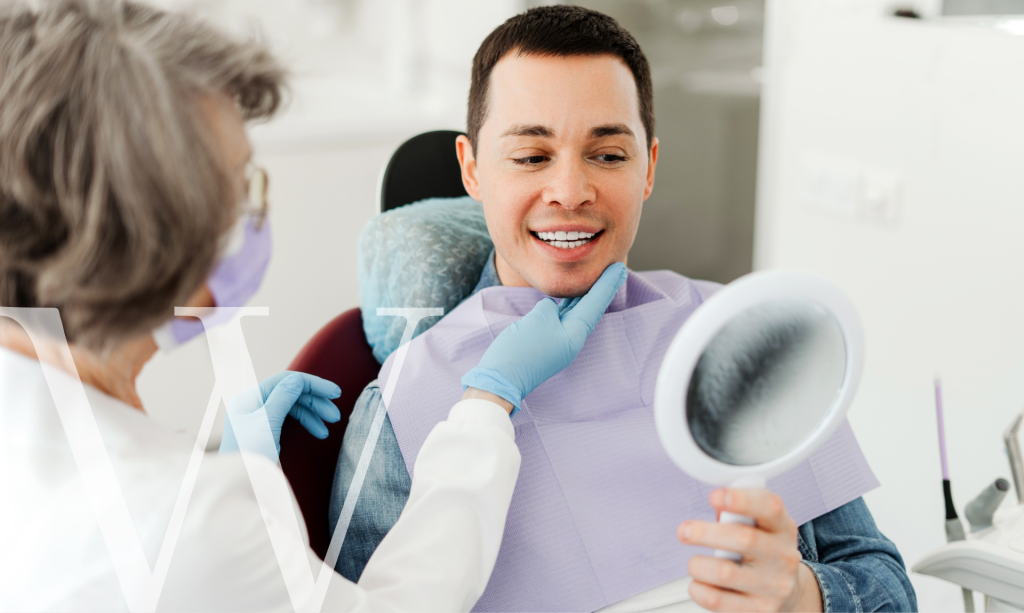
A dental cleaning is a simple visit, but it can do a lot for your mouth. The dental team checks your teeth and gums first. Then they remove plaque and tartar from the teeth and around the gumline.
After that, your teeth are usually polished. This helps remove some surface stains and makes the teeth feel smoother. The dentist may also check for cavities, gum problems, worn fillings, broken teeth, or other early signs of trouble.
If you are looking for dental cleaning in Cudahy, a routine visit can help you understand the current health of your teeth and gums. It can also give you a fresh start if plaque has been building up for a while.
Why Brushing Alone Is Not Enough
Brushing is very important, but it does not clean every part of your mouth. Food and plaque can hide between teeth, behind back teeth, and near the gumline. Flossing helps, but even flossing may not remove hardened tartar.
That is why dental cleanings are needed. They clean areas that are easy to miss at home. They also help your dentist see if your daily routine is working well.
If you often get cavities or gum bleeding, your dentist may suggest better brushing methods, a different toothbrush, special toothpaste, or more frequent visits.
Cleanings Help Prevent Gum Problems
Gums are easy to forget about until they start bleeding or hurting. Healthy gums should not bleed often. If your gums bleed when brushing or flossing, plaque or tartar may be irritating them.
When tartar builds up near the gumline, the gums can become swollen and may bleed more easily. A dental cleaning can remove that buildup and give your gums a better chance to heal.
Still, you need daily home care too. Cleanings help, but they work best when you brush and floss consistently.
Cleanings Can Help With Bad Breath
Bad breath can happen for many reasons. Sometimes it comes from food, dry mouth, or not cleaning the tongue. Other times it comes from plaque, gum problems, or bacteria around the teeth.
A dental cleaning can help remove odor-causing buildup. It can also help the dentist find the real cause if bad breath keeps coming back.
If your breath still smells bad even after brushing, flossing, and cleaning your tongue, do not ignore it. It may be a sign of gum disease, cavities, dry mouth, or another dental issue.
Dental Cleanings Can Catch Problems Early
One of the best parts of a dental cleaning is early detection. You may not feel pain from a small cavity. You may not notice a cracked filling. You may not know your gums are starting to pull away from your teeth.
During a cleaning and exam, the dentist can check for these problems. Finding them early usually makes treatment easier. A small cavity may only need a filling. But if you wait too long, it may turn into a painful infection or need more serious treatment.
This is why many Cudahy dentists recommend regular cleanings and exams. They are not only for people with dental pain. They are also for people who want to avoid bigger problems later.
How Often Should You Get a Dental Cleaning
Many people get a dental cleaning every six months. However, not everyone needs the same schedule. Some people may need cleanings more often, especially if they have gum disease, heavy tartar buildup, diabetes, dry mouth, smoking habits, braces, or a history of frequent cavities.
Your dentist can tell you what makes sense for your mouth. If your teeth and gums are healthy, twice a year may be enough. If your gums need extra care, your dentist may suggest a shorter gap between cleanings.
The goal is not to overdo treatment. The goal is to keep your mouth healthy and stop problems early.
Signs You May Need a Cleaning Soon
You may need a dental cleaning if your teeth feel rough, your gums bleed, or your breath keeps smelling bad. You may also notice yellow buildup near the gumline or food getting stuck often.
Tooth sensitivity can also be a sign that something needs attention. It does not always mean you only need a cleaning, but it is worth checking.
Book a visit if you notice:
- Bleeding gums
- Bad breath that does not improve
- Rough feeling on teeth
- Stains or yellow buildup
- Gum swelling
- Tooth sensitivity
- Pain while chewing
These signs do not always mean something serious, but they should not be ignored.
How to Keep Teeth Clean Between Visits
A dental cleaning gives your mouth a fresh start. What you do after the visit matters too.
Brush twice a day with fluoride toothpaste. Floss once a day. Drink water often. Clean your tongue. Limit sugary snacks and drinks. Avoid chewing ice or hard objects. If you smoke or use tobacco, try to cut back or ask for help quitting.
If you recently had teeth cleaning in Cudahy WI, keeping these small habits can help your results last longer. You do not need a perfect routine. You just need to stay consistent.
What If You Feel Nervous About Cleanings
Many people feel nervous before dental visits. Some worry about discomfort. Others feel embarrassed because they have not been to the dentist in a long time.
A good dental team should not make you feel judged. Their job is to help you. If you feel anxious, tell them before the cleaning starts. They can explain each step and help you feel more comfortable.
Waiting usually makes dental stress worse. A simple cleaning today may help you avoid a painful visit later.
Final Thoughts
Regular dental cleanings are a simple way to protect your smile. They remove plaque and tartar, support gum health, freshen breath, and help find problems early.
Brushing and flossing at home are important, but they do not replace professional care. A dental cleaning helps clean the areas you may miss and gives your dentist a chance to check your oral health.
If it has been a while since your last cleaning, now is a good time to schedule one. Your teeth, gums, and breath will thank you.
FAQs
Are dental cleanings really necessary?
Yes, dental cleanings are important because they remove plaque and tartar that brushing cannot fully remove. They also help your dentist catch cavities, gum problems, and other issues before they become painful or more costly.
Do dental cleanings hurt?
Most regular dental cleanings do not hurt. You may feel pressure or mild sensitivity if your gums are inflamed or tartar buildup is heavy. If you feel nervous or sore, tell the dental team before they begin.
How long does a dental cleaning take?
A regular dental cleaning often takes about thirty to sixty minutes. The time can vary based on tartar buildup, gum health, and whether X-rays or a dental exam are needed during the same visit.
