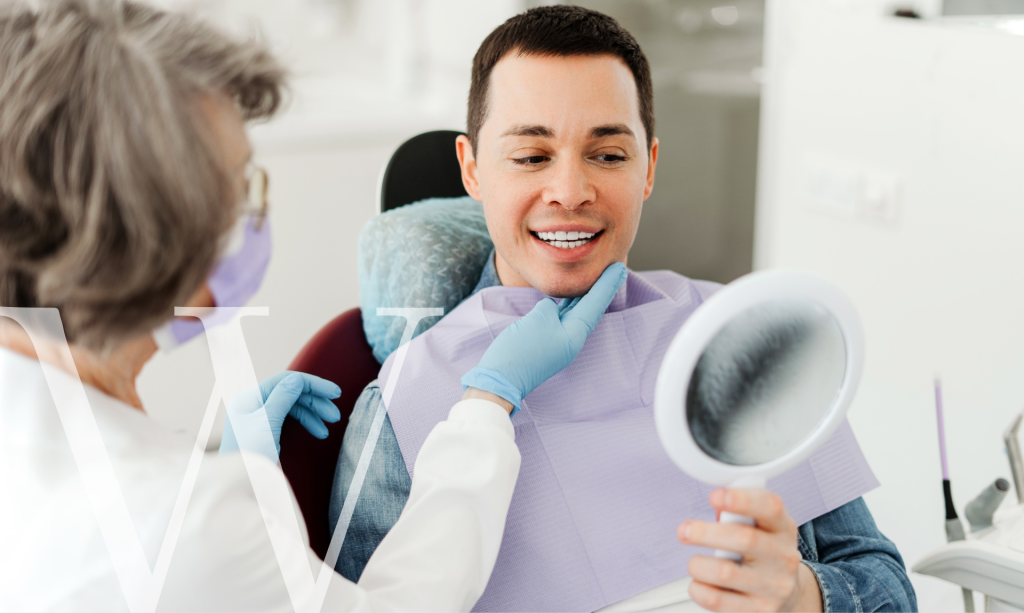
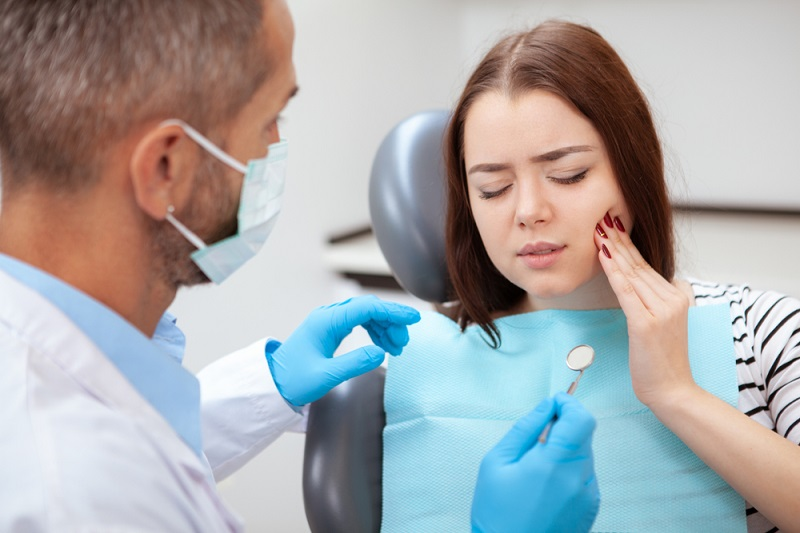
A confident smile can shape first impressions in both work and social settings. For residents weighing their options, porcelain dental veneers offer a way to improve color, shape, and symmetry with a natural finish. Local lifestyle plays a real role in the decision, from coffee habits that affect staining to the busy schedules that make low maintenance care appealing. Because this is a custom treatment, the best plan reflects your features, your routine, and your goals. This article looks at why veneers matter for area patients, what local needs to consider, and the checks worth making before you begin a long term cosmetic plan.
Why This Matters for Local Patients
In a region where professional and social life often overlap, a polished smile can boost everyday confidence. Choosing a provider who understands local expectations and offers attentive follow up makes the experience smoother and the result more dependable.
Local Needs and Buyer Expectations
Patients considering porcelain dental veneers usually want a natural look that fits daily life, not an obvious cosmetic change.
Lifestyle and Use Case Factor
Coffee, tea, and busy routines favor durable, stain resistant material and simple care. Share your habits so the plan matches your day.
Accessibility and Service Fit
Convenient scheduling and clear communication keep treatment on track. Easy access to follow up visits matters for a custom plan.
Trust and Experience Signals
Case photos, reviews, and a step by step explanation signal a provider you can rely on for lasting work.
What Users Should Check
Before starting, confirm that your gums and enamel can support the shells, review the timeline, and ask how comfort is handled during each visit. Request a preview of the planned shape so you can picture the outcome. A careful evaluation ensures porcelain dental veneers suit your smile and hold up to everyday life.
It also helps to plan around your routine. If your days are busy, ask about the number of visits and how appointments are scheduled so treatment fits your calendar. Convenience matters for a custom plan, and a practice that respects your time tends to make the whole experience smoother from start to finish.
Maintenance keeps the result looking its best. Simple habits like daily brushing, flossing, and regular checkups protect both the shells and your natural teeth. If you grind at night, a protective guard may help. With sensible care, porcelain dental veneers can stay bright and natural for years, supporting the confident smile that local patients are often looking for in the first place.
It is also helpful to understand the steps involved before you commit. A typical plan includes a consultation, a preparation visit, and a fitting once the custom shells are ready. Knowing this sequence lets you arrange your schedule and feel prepared for each stage. A temporary set may protect your teeth while the final pieces are crafted, and your provider will explain how to care for them. Comfort is a priority throughout, so ask how sensitivity is managed and how the bite is checked at the end. Seeing a preview of the planned shape can also reassure you that the result will suit your features. The more you understand about the process, the easier it is to stay confident and patient. With clear communication and a steady plan, the experience becomes a manageable series of steps that leads to a smile you can feel genuinely proud to share. Patience during the crafting stage pays off, since a custom result is worth the short wait, and the comfort of knowing each detail has been considered makes the final reveal all the more satisfying when you finally see your finished smile in person.
Final Thoughts
For local patients, a natural looking smile upgrade depends on a tailored plan and a provider who listens. Weigh lifestyle, accessibility, and trust signals before deciding, and ask about long term care. Working with an experienced adult dentist Charlotte NC residents recommend can help you map a plan that fits your features and your routine.
Recovering after childbirth is a gradual process that requires patience, proper guidance, and realistic expectations. While many new mothers are eager to return to exercise, the focus during the postpartum period should be on restoring strength, improving mobility, and supporting overall recovery rather than rushing back into intense workouts. A well-designed post partum exercise program helps women rebuild core stability, strengthen the pelvic floor, improve posture, and regain confidence in movement while respecting the body’s natural healing process.
Every postpartum journey is unique. Factors such as the type of delivery, overall health, sleep quality, and previous fitness level all influence recovery. A structured exercise plan that progresses gradually can support long-term health while reducing the risk of injury. Exercise professionals generally recommend a phased and individualized approach following medical clearance, particularly after the first 12 weeks, depending on each person’s recovery.
Why Exercise Matters After Childbirth
A carefully planned post partum exercise program offers benefits that extend far beyond weight management. Regular movement can help improve physical recovery while supporting mental and emotional wellbeing during the transition into motherhood.
Some of the key benefits include:
Improved core strength
Better pelvic floor function
Enhanced posture
Increased energy levels
Reduced back and neck discomfort
Improved circulation
Better mental wellbeing
Increased confidence in daily movement
Gradually rebuilding strength also prepares mothers for everyday tasks such as lifting, carrying, and caring for their baby.
When Can You Start a Postpartum Exercise Program?
Recovery timelines differ for every individual. In general, healthcare professionals recommend obtaining medical clearance before beginning structured exercise, particularly after complicated deliveries or caesarean births.
Recovery often progresses through stages:
Early Recovery
During the first few weeks, gentle walking, breathing exercises, and pelvic floor activation may be appropriate if advised by healthcare professionals.
Strength Rebuilding
After medical clearance, many women gradually begin strengthening exercises focusing on the core, hips, glutes, and overall stability.
Return to Higher Activity
As strength and endurance improve, exercise intensity can gradually increase based on individual goals and recovery progress.
Essential Components of a Postpartum Exercise Program
A balanced post partum exercise program includes several key elements that work together to support recovery.
Pelvic Floor Training
Pelvic floor exercises help restore muscle function that may have been affected during pregnancy and childbirth.
Core Rehabilitation
Deep core activation exercises improve abdominal strength while supporting the lower back and pelvis.
Strength Training
Light resistance exercises help rebuild muscle strength safely while improving functional movement.
Cardiovascular Exercise
Walking, cycling, or swimming can gradually improve cardiovascular fitness without placing excessive stress on healing tissues.
Mobility and Flexibility
Gentle stretching and mobility exercises reduce stiffness while improving posture and overall movement quality.
Benefits of a Structured Recovery Plan
Following a progressive exercise program provides several long-term advantages.
These include:
Better movement quality
Reduced injury risk
Improved daily function
Stronger muscles
Increased endurance
Greater confidence
Improved physical resilience
Structured progression helps ensure that exercise remains safe while supporting steady improvements in fitness and recovery.
Tips for Exercising Safely
To get the most from your post partum exercise program, consider these practical recommendations.
Listen to Your Body
Recovery is different for every woman. Avoid comparing your progress with others.
Prioritize Proper Technique
Focus on movement quality rather than the number of repetitions or amount of weight lifted.
Stay Consistent
Short, regular exercise sessions often produce better long-term results than occasional intense workouts.
Maintain Good Hydration
Drinking enough water supports recovery, especially for breastfeeding mothers.
Get Adequate Rest
Sleep and recovery are essential components of rebuilding strength after childbirth.
Common Mistakes to Avoid
Many women unintentionally slow their recovery by progressing too quickly.
Following professional guidance can help reduce these risks while supporting safe progress.
Supporting Long-Term Health
Postpartum exercise is not simply about returning to pre-pregnancy fitness. It is an opportunity to build long-term strength, improve movement patterns, and establish healthy exercise habits that support future wellbeing.
A progressive approach allows new mothers to regain confidence while reducing the likelihood of persistent pain or injury. Combining strength training, mobility work, cardiovascular exercise, and proper recovery creates a balanced routine that supports both physical and mental health throughout motherhood.
Conclusion
A well-designed post partum exercise program provides a safe and effective way to rebuild strength, restore mobility, and improve confidence after childbirth. By progressing gradually, prioritizing pelvic floor and core rehabilitation, and following professional guidance, new mothers can support their recovery while reducing the risk of injury. For women seeking structured rehabilitation after childbirth, a postpartum exercise program can provide the guidance and progression needed to safely return to everyday activities and long-term fitness. Every postpartum journey is different, and individualized exercise plans offer the flexibility needed to meet changing recovery goals.
Doctor shortage is real. Bangladesh has roughly 1 doctor per 1,388 patients, and most are concentrated in major cities, leaving areas like Savar underserved despite having 30+ hospitals.
Meditime is Savar-focused. Unlike most of Bangladesh’s 20+ health-tech platforms that center on Dhaka, Meditime specifically serves Savar, Ashulia, Gazipur, Dhamrai, and Kaliakair.
One platform, many services. Meditime lets you book doctor appointments, schedule video consultations, compare diagnostic test prices, find hospitals, locate blood donors, and reach ambulances – all in one app.
No upfront cost. Booking through Meditime is free; you only pay the doctor’s fee when you arrive for your visit.
Booking takes minutes. Search, review doctor profiles, pick a slot, and confirm with your phone number – Meditime sends an instant SMS confirmation.
Save on medical bills. The Meditime Health Discount Card offers up to 30% off at partner hospitals and labs, arriving within about 7 days of signup.
Built for everyone. Especially useful for busy professionals, parents, elderly patients, and families facing emergencies.
We are human. Our bodies are built with amazing precision, but even the best machines need repairs sometimes. Small aches need small fixes. Big problems need bigger help. That’s where doctors come in. They are the specialists who understand our bodies, inside and out.
But here’s the catch. Doctors have always been in short supply compared to the number of people who need them. This is true in big cities like Dhaka. It is true in growing towns like Savar. And it is just as true in smaller areas like Dhamrai, Kaliakair, and Chandra. No matter where you live, the number of doctors rarely matches the number of patients who want to see them.
Why does this happen? There are many reasons. But the simplest one is this: becoming a doctor takes years of hard study, a lot of money, and a strong will to keep going. Not everyone can do it. Meanwhile, illness doesn’t wait. People get sick every day, whether we’re ready or not.
This gap between doctors and patients is exactly why appointments exist. Since the early days of medicine as an organized profession, seeing a doctor has meant scheduling a time. You need to know when, where, and sometimes how much it will cost. This scheduled meeting with a doctor is called a doctor appointment.
Once you understand this simple idea, the concept of online doctor booking becomes much easier to grasp. It’s just appointment booking, but done through a website or app instead of a phone call or a walk-in visit.
In this guide, we’ll walk through what online doctor booking really means, why it matters so much in Bangladesh, and how one platform, Meditime, is changing the game for patients in Savar and nearby areas. By the end, you’ll know exactly how to use Meditime to book your next appointment in minutes.
Why Finding a Doctor Is Still Hard in Bangladesh?
Let’s talk numbers for a moment. According to the World Health Organization, Bangladesh has roughly one doctor for every 1,388 patients (roughly in July 2026). Think about that. If you live in a neighborhood with a thousand people, there is likely only one doctor to serve all of them. Meeting that doctor is not always easy, especially the first or second time you need care for a new health concern.
Bangladesh is still a developing country. Like many other basic needs, healthcare isn’t fully covered by the government. As a patient, you often have to choose from a handful of private options. This creates real challenges. The biggest one? Most doctor’s chambers and hospitals are packed into major cities like Dhaka.
So what happens if you live outside those major hubs? Take Savar, for example. Finding a dependable doctor for a specific health issue can feel overwhelming, especially when you actually need one urgently. Interestingly, the problem in Savar isn’t a shortage of good doctors. With more than 30 hospitals in the area, Savar has plenty of qualified medical professionals. The real challenge is the sheer number of patients competing for the same appointment slots.
The traditional solution is simple in theory. You go to a well-known hospital and book an appointment in person. But what if you don’t have time for two separate trips, one to book the slot and another for the actual visit? What if you’ve been so busy that a small health issue is quietly turning into something more serious?
This is exactly where technology steps in.
The Rise of Digital Healthcare in Bangladesh
Health information technology is already popular across the world, and Bangladesh is catching up fast. There are at least 20 online platforms in the country that offer medical information and booking services. That sounds like good news. But there’s a catch. Most of these platforms focus heavily on major cities. Towns like Savar and the surrounding areas are often left out of the conversation.
This gap is a real problem for the thousands of families living in Savar, Ashulia, Dhamrai, Kaliakair, and Gazipur. These are not small, sleepy towns. They are busy, growing communities filled with garment factory workers, university students, families, and retirees, all of whom need reliable access to healthcare. Yet when they search online for a doctor, most platforms show results centered around Dhaka’s city core, leaving local patients to figure things out the old-fashioned way.
This is where Meditime comes in.
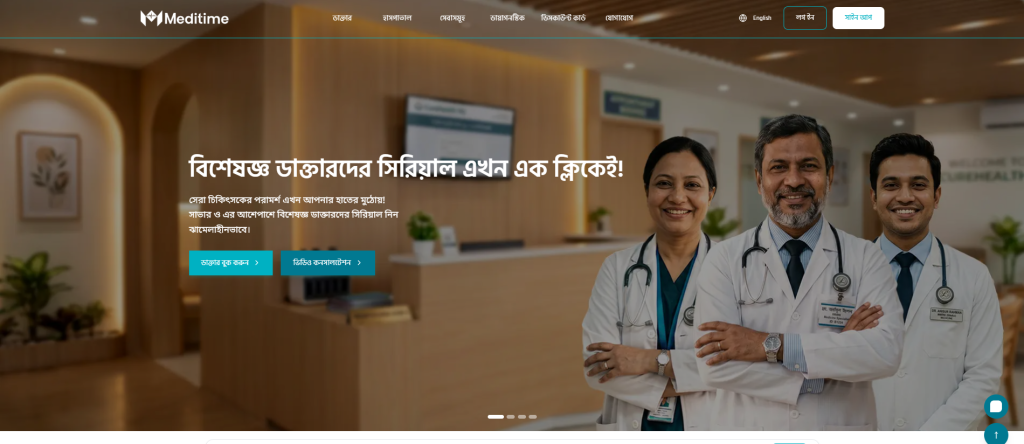
Meet Meditime: Your Healthcare Assistant With 800+ Doctors Right Next to Your Door in Savar
Savar & Nearby Areas
889+ Doctors. 30+ Specialties. One Simple Search.
Find and book verified doctors near you in Savar, Ashulia, Gazipur and Kaliyakoir. Compare profiles, check real-time availability, and confirm your visit with Meditime, no upfront payment required.
Meditime is an online healthcare platform built specifically with Savar and its neighboring areas in mind. Instead of another generic booking site focused only on Dhaka’s biggest hospitals, Meditime puts local doctors, local hospitals, and local diagnostic centers front and center.
With Meditime, patients in Savar, Ashulia, Gazipur, and Kaliakair can search, compare, and book appointments with doctors from over 30 specialties. The platform currently connects patients with hundreds of doctors across more than 50 partner hospitals, giving families real choices close to home instead of forcing them to travel into the city for basic care.
Meditime isn’t just a doctor directory. It is a full healthcare assistant. Through Meditime, you can book a doctor’s appointment, schedule a video consultation, compare prices for diagnostic tests, find a hospital near you, locate a blood donor in an emergency, or even find contact details for an ambulance. All of this lives in one simple platform, available on the Meditime website and the Meditime mobile app.
Let’s slow down and unpack why that matters so much for a place like Savar.
Why Use Meditime?
If you’ve ever tried to book a doctor’s appointment the traditional way, you know the drill. You call a hospital’s front desk. The line is busy. You try again. Someone finally answers, but the doctor you want is fully booked for the next two weeks. You hang up, frustrated, and the health issue you were hoping to address just keeps waiting. Meditime was built to end that cycle.
1. Anytime, Anywhere Access
Health problems don’t check the clock before they show up. A fever can spike at midnight. A child can get sick during a work meeting. With Meditime, you don’t have to wait for office hours to start looking for help. The Meditime platform is available 24 hours a day, seven days a week. Whether you’re searching for a specialist at 2 a.m. or booking a routine check-up on your lunch break, Meditime is ready whenever you are.
2. No Advance Payments
Many people avoid booking appointments online because they worry about upfront fees or hidden charges. Meditime removes that worry completely. Searching for doctors, comparing hospitals, or even looking up blood donors and emergency contacts costs nothing on Meditime. You only pay the doctor’s fee directly at the hospital when you actually show up for your visit. This “pay when you arrive” model means Meditime never asks for advance payment just to secure a slot.
3. Local Focus on Savar and Nearby Areas
This is where Meditime truly stands apart from other health-tech platforms in Bangladesh. Instead of drowning users in listings from across the entire country, Meditime zeroes in on Savar, Ashulia, Gazipur, Dhamrai, and Kaliakair. This local focus means the doctors, hospitals, and diagnostic centers you see on Meditime are actually relevant to your daily life. You won’t waste time scrolling through hospitals that are two hours away.
4. A Massive Network of Doctors and Hospitals
Meditime connects patients with more than 1,000 doctors serving Savar and the surrounding communities, spread across more than 30 medical specialties. Whether you need a cardiologist, a gynecologist, a pediatrician, a dermatologist, or an orthopedic specialist, Meditime likely has someone nearby who fits your needs. Behind those doctors stands a growing network of partner hospitals and clinics, so you’re never short on options.
5. Video Consultations for Busy or Vulnerable Patients
Not everyone can easily travel to a clinic. Elderly patients, pregnant women, and people with limited mobility often struggle with in-person visits. Meditime solves this with video consultations. Through the app or website, you can talk face-to-face with a licensed physician from the comfort of your home. It’s essentially a clinic in your pocket, saving time, energy, and unnecessary travel.
6. Save Money With the Meditime Discount Card
Healthcare costs add up quickly, especially if you need frequent tests or specialist visits. Meditime offers a Health Discount Card that gives patients on-the-spot discounts of up to 30% on medical bills at partner hospitals and diagnostic centers. Once you sign up, your Meditime card arrives within about seven days, and the savings start right away.
7. Real Support When You Need It
Technology can be confusing, especially for first-time users or older family members. Meditime backs its platform with a real support team you can reach anytime. If you get stuck while booking an appointment or have a question about a listed hospital, Meditime’s support staff is just a message or phone call away.
What Information Is Available on Meditime, and What to Expect
Before you open the Meditime app or website for the first time, it helps to know exactly what you’ll find there. Let’s break down each core section of the platform.
Doctor Listings
The doctor section of Meditime is the heart of the platform. Here, you’ll find detailed profiles for hundreds of doctors practicing in and around Savar. Each Meditime doctor profile typically includes:
The doctor’s full name, qualifications, and specialty
The hospital or chamber where they practice
Patient ratings and reviews
Available appointment time slots
Consultation fees
This transparency is a huge advantage. Instead of guessing whether a doctor is a good fit, you can review real information before you ever pick up the phone. Meditime currently lists doctors across more than 30 departments, covering everything from general medicine to highly specialized fields like nephrology and cardiology.
Hospitals Directory
Choosing the right hospital matters just as much as choosing the right doctor. Meditime’s hospital directory lets you explore hospitals and clinics in Savar, by location, specialty, and available services. Whether you need a large general hospital for a complex condition or a smaller specialized clinic for a routine visit, Meditime helps you compare your options side by side. This is especially valuable in Savar, where dozens of hospitals operate, but information about their specialties and quality isn’t always easy to find elsewhere.
Diagnostic Test Comparisons
Medical tests are a normal part of healthcare, but prices can vary a lot between labs. Meditime’s diagnostic test page lets you compare prices for common tests like blood panels, urine tests, ultrasonograms (USG), CBC counts, X-rays, and more. Instead of calling multiple labs to compare rates, you can see everything in one place through Meditime and choose the most affordable, trustworthy option near you. Combined with the Meditime discount card, this feature can lead to real savings on routine and urgent testing alike.
Video Consultation Services
For patients who can’t visit a clinic in person, Meditime’s video consultation service connects you directly with a licensed doctor over a live video call. This is ideal for follow-up visits, minor health concerns, or situations where travel is difficult. You can expect a similar experience to an in-person visit, complete with medical advice and, when appropriate, a prescription.
Blood Donor Network
In emergencies, finding blood quickly can be a matter of life and death. Meditime maintains a real blood donor across Savar, built specifically for urgent situations like heavy blood loss or surgery-related transfusions. If a loved one needs blood urgently, Meditime helps connect you to a nearby, willing donor rather than leaving you to search blindly through personal contacts or social media groups.
Ambulance Directory
Speed matters in emergencies. Meditime maintains an up-to-date directory of ambulance services throughout Savar and nearby areas, so you can quickly find reliable transport when every minute counts.
Discount Membership Cards
As mentioned earlier, Meditime offers a discount card program that gives patients reduced rates on medical bills at partner hospitals and labs. This is a smart option for families who visit doctors or labs frequently, since the savings can add up significantly over time.
Now that you know what’s available, let’s walk through exactly how to use Meditime, step by step.
How to Use Meditime? A Step-by-Step Guide
Getting started with Meditime is simple, even if you’ve never booked a doctor’s appointment online before. Here’s exactly how it works.
Step 1: Visit the Meditime Website or Download the App
Start by going to the Meditime website or downloading the Meditime app from the Google Play Store. Both versions give you access to the same core features, so choose whichever is more convenient for you. Many patients prefer the app for quick access on their phones, especially during emergencies.
Step 2: Create Your Meditime Account
Click on “Sign Up” to create your free Meditime account. You’ll need to provide basic details like your name, phone number, and email address. Signing up takes just a couple of minutes, and it allows Meditime to save your appointment history, making future bookings even faster.
If you already have an account, simply click “Log In” and enter your credentials to get started.
Step 3: Search for a Doctor, Hospital, or Test
Once you’re logged in, use the search bar or browse by category. If you know which specialist you need, search directly by department, such as cardiology, gynecology, or pediatrics. If you’re not sure, Meditime lets you browse by symptom or general health concern, helping guide you toward the right type of doctor.
You can also switch over to the hospital section if you’d rather choose a facility first, or head to the diagnostic section if you need to book a lab test instead of a doctor’s visit.
Step 4: Review Doctor Profiles
After searching, you’ll see a list of available doctors matching your criteria. Take a moment to review each profile. Look at their qualifications, the hospital they’re associated with, patient ratings, and their consultation fee. This step is important. It gives you the power to choose confidently, rather than settling for whoever happens to be available.
Step 5: Pick an Available Time Slot
Once you’ve chosen your doctor, Meditime will display their available appointment slots. Select a date and time that works with your schedule. Because Meditime shows real-time availability, you won’t waste time calling the hospital only to find out the doctor is fully booked.
Step 6: Confirm Your Appointment
After selecting your slot, confirm your appointment using your phone number. Meditime will send you an instant SMS confirmation, so you have a clear record of your booking, including the doctor’s name, the hospital location, and your appointment time.
Step 7: Attend Your Appointment
On the day of your visit, simply show up at the hospital or clinic at your scheduled time. Remember, Meditime doesn’t require any upfront payment. You’ll pay the doctor’s fee directly when you arrive, just as you would with a traditional walk-in visit, minus the long wait.
Bonus: Booking a Video Consultation
If you’d rather skip the trip entirely, choose the video consultation option instead of an in-person appointment. Follow the same search and booking process, but select “Video Consultation” when prompted. At your scheduled time, log into the Meditime app for your live video call with the doctor.
Bonus: Using the Diagnostic Test Comparison Tool
Need a lab test instead of a doctor’s visit? Head to the diagnostic section of Meditime, search for the specific test you need, and compare prices across different labs in your area. Once you find the best option, you can book directly through the platform.
Bonus: Applying Your Meditime Discount Card
If you’ve signed up for the Meditime Health Discount Card, simply present it at the hospital or lab counter during your visit to receive your on-the-spot discount, up to 30% off, depending on the facility.
As you can see, Meditime turns what used to be a multi-step, time-consuming process into something you can complete in just a few minutes from your phone.
Real Stories From Meditime Users
Numbers and features are helpful, but real experiences tell the fuller story. Patients across Savar have shared how Meditime has made a difference in their healthcare journey. One patient found a trusted diabetic specialist through Meditime after searching for years without success. Another was able to quickly book an appointment through Meditime for her elderly mother, who was dealing with kidney complications. A third patient used Meditime’s diagnostic comparison tool to book a lipid panel test and saved 15% using a corporate discount card.
These stories highlight something important. Meditime isn’t just a booking tool. For many families in Savar, Meditime has become a genuine healthcare companion, helping them navigate a system that can otherwise feel confusing and overwhelming.
Traditional Booking vs. Online Booking With Meditime
It helps to see the difference side by side. Understanding the old way of booking an appointment makes it easier to appreciate what Meditime has changed.
The traditional way usually starts with a phone call. You dial a hospital’s front desk and wait. Sometimes the line is busy. Sometimes no one picks up at all. If you do get through, you often don’t know much about the doctor beyond their name and department. You can’t see their qualifications, their patient ratings, or how long you’ll actually have to wait once you arrive. In many cases, patients travel to the hospital in person just to check whether a doctor is available that day. If the doctor is fully booked, the trip is wasted, and the patient has to try again another day. This process can easily eat up an entire afternoon, or worse, an entire day of work.
The Meditime way flips this process on its head. Instead of calling and hoping for the best, you open the Meditime app or website and see real-time availability immediately. You can compare multiple doctors within the same specialty, check their ratings, and choose based on real information rather than guesswork. Booking itself takes less than five minutes, and confirmation arrives instantly by SMS. There’s no wasted trip, no long hold music, and no uncertainty about whether the doctor is even in that day. Meditime essentially removes the guesswork and the wasted time that used to define the appointment booking process.
This shift matters most for people with limited free time, such as garment factory workers in Savar who may only get short breaks during the day, or parents juggling childcare and household responsibilities. For these patients, Meditime isn’t just a convenience. It’s often the difference between getting timely care and delaying a visit until a health issue becomes more serious.
Common Mistakes to Avoid When Booking a Doctor Online
Even with a platform as straightforward as Meditime, a few common mistakes can slow you down or lead to confusion. Here’s what to watch out for.
Skipping the doctor’s profile. It’s tempting to book the first available slot without checking the doctor’s background. Take the extra thirty seconds to read through their qualifications and patient reviews on Meditime before confirming your appointment.
Forgetting to double-check the appointment time. Time zones aren’t an issue within Bangladesh, but confusing morning and evening slots is a common error. Always review your confirmation SMS from Meditime carefully before heading to the hospital.
Not asking about required documents. Some specialists, especially for follow-up visits, may need previous test results or prescriptions. If you’re not sure what to bring, contact Meditime’s support team ahead of time so you’re fully prepared.
Ignoring the video consultation option. Many patients default to in-person visits out of habit, even when a video consultation through Meditime would save significant time and effort. If your situation doesn’t require a physical examination, consider whether a video call might be the better choice.
Overlooking the discount card. Patients who visit hospitals or labs frequently sometimes forget to apply for the Meditime Health Discount Card early. Signing up sooner rather than later means you start saving on medical bills right away instead of missing out on discounts during your next few visits.
Avoiding these small mistakes ensures that your experience with Meditime stays as smooth and stress-free as the platform is designed to be.
Meditime’s Growing Role in Savar’s Healthcare Future
Healthcare access in Bangladesh is slowly shifting, and digital platforms are playing a bigger role in that shift every year. Savar, once overlooked by most major health-tech platforms, is now benefiting from a service built specifically around its needs. As Meditime continues to expand its network of doctors, hospitals, and diagnostic centers, patients in Savar, Ashulia, Gazipur, Dhamrai, and Kaliakair are gaining the kind of healthcare access that used to be limited to Dhaka’s city core.
This matters beyond convenience. Faster access to doctors often means health issues get caught and treated earlier, before they become more serious or expensive to manage. By making it easier to book appointments, compare hospitals, and find affordable diagnostic tests, Meditime is helping shift the local healthcare experience from reactive to proactive. Instead of waiting until a problem becomes urgent, patients using Meditime can address concerns as soon as they arise, without the usual friction of the traditional booking process.
As more residents in Savar and its surrounding areas discover Meditime, the platform’s local network of doctors and hospitals is likely to keep growing, offering even more choice and convenience for future patients.
Who Should Use Meditime?
Meditime is designed for a wide range of patients, but a few groups benefit especially strongly.
Busy professionals who don’t have time to call multiple hospitals or wait in long lines will appreciate how quickly Meditime lets them book and confirm appointments.
Parents managing their children’s health can use Meditime to quickly find pediatricians, book urgent appointments, and keep track of past visits.
Elderly patients and their caregivers benefit enormously from Meditime’s video consultation feature, which removes the physical burden of traveling to a clinic.
Families facing emergencies can rely on Meditime’s blood donor network and ambulance directory when every second counts.
Budget-conscious patients can take advantage of Meditime’s diagnostic price comparison tool and discount card program to reduce overall healthcare costs.
Whatever your situation, Meditime aims to simplify the process of finding and accessing quality healthcare in Savar and its surrounding communities.
How Meditime Fills a Gap Other Platforms Miss?
As mentioned earlier, Bangladesh already has around 20 online healthcare platforms. So why does Meditime matter? The answer comes down to focus.
Most existing platforms concentrate their listings, reviews, and hospital partnerships in Dhaka’s urban core. That’s understandable from a business standpoint, since Dhaka has the largest population. But it leaves a significant gap for patients living just outside the capital:
Listings and reviews skew heavily toward Dhaka’s city core
Hospital partnerships favor major metropolitan facilities
Patients just outside the capital are often an afterthought
Savar alone is home to a large and growing population, including university students, garment industry workers, and long-time residents. Despite having more than 30 hospitals in the area, patients often struggle to find clear, organized information, such as:
Which doctors are currently available
What specialties those doctors cover
When appointments can actually be booked
Meditime was built specifically to close this gap, giving Savar the same level of digital healthcare access that Dhaka’s city core has enjoyed for years.
This local-first approach doesn’t mean Meditime ignores hospitals just outside Savar. The platform also connects patients in the following areas with relevant doctors and facilities, recognizing that healthcare needs don’t stop at city limits:
Ashulia
Gazipur
Dhamrai
Kaliakair
Tips for Getting the Most Out of Meditime
To make your experience with Meditime as smooth as possible, keep these tips in mind.
First, complete your Meditime profile fully when you sign up. Adding accurate contact information ensures you receive timely SMS confirmations and reminders for your appointments.
Second, take a few extra minutes to read doctor reviews before booking through Meditime. Past patient experiences can offer valuable insight beyond just qualifications and specialty.
Third, if you’re unsure which specialist you need, don’t hesitate to contact Meditime’s support team. They can help point you in the right direction before you book.
Fourth, consider signing up for the Meditime discount card early, especially if you or a family member needs frequent tests or specialist visits. The savings can add up quickly over time.
Finally, download the Meditime mobile app if you haven’t already. Having quick access on your phone means you’re always ready to book an appointment or find emergency help, no matter where you are.
Final Thoughts
Healthcare shouldn’t feel like a struggle, especially when you’re already dealing with the stress of not feeling well. Yet for many patients in Savar and its surrounding communities, finding a trustworthy doctor, comparing hospitals, or locating an affordable diagnostic test has traditionally been a frustrating, time-consuming process.
Meditime was built to change that story. By combining a large network of doctors, hospitals, and diagnostic centers with simple, accessible technology, Meditime brings modern healthcare booking to a region that has long been overlooked by other platforms. Whether you need to book an in-person appointment, talk to a doctor through a video call, compare diagnostic test prices, find a blood donor in an emergency, or locate an ambulance quickly, Meditime puts all of these tools in one place.
Online doctor booking, at its core, is about respecting people’s time and reducing unnecessary stress during an already difficult moment. Meditime takes that idea seriously, focusing not on the entire country, but on the specific needs of patients in Savar, Ashulia, Gazipur, Dhamrai, and Kaliakair. That local focus, paired with a genuinely useful set of features, is what sets Meditime apart.
If you’ve been putting off a doctor’s visit because scheduling felt like too much hassle, now is a good time to give Meditime a try. With a network of over 1,000 doctors, more than 50 partner hospitals, and helpful tools like video consultations and discount cards, Meditime makes it easier than ever to put your health first, right from your phone.
Healthcare decisions often get delayed simply because the first step feels complicated. Meditime removes that first hurdle. There’s no need to figure out which hospital to call, no need to sit on hold, and no need to guess whether a doctor is even available. With Meditime, that first step takes just a few taps, and the rest of the process follows naturally from there. For a growing town like Savar, where good doctors already exist but easy access to them has been the missing piece, Meditime fills that gap in a way that genuinely benefits patients and families alike.
The next time you or a loved one needs medical care, consider skipping the phone calls and long waits. Open Meditime instead, search for the right doctor or hospital, and book your appointment in minutes. Your health is worth that small step, and Meditime is built to make taking it as easy as possible.
Frequently Asked Questions About Meditime
What is Meditime?
Meditime is an online healthcare platform that lets patients in Savar and nearby areas book doctor appointments, schedule video consultations, compare diagnostic test prices, find hospitals, locate blood donors, and access ambulance services, all in one place.
How do I book a doctor’s appointment on Meditime?
Simply search for a doctor on Meditime, review their profile and available time slots, choose a slot that works for you, and confirm your appointment using your phone number. Meditime will send you an instant SMS confirmation.
Is booking through Meditime free?
Yes. Searching, comparing, and booking appointments through Meditime is completely free. You only pay the doctor’s consultation fee directly at the hospital when you arrive for your visit.
Does Meditime offer video consultations?
Yes. Meditime allows patients to book live video consultations with licensed doctors, making it a convenient option for elderly patients, expectant mothers, or anyone unable to travel to a clinic in person.
How can I compare diagnostic test prices on Meditime?
Head to the diagnostic section of Meditime, search for the specific test you need, such as a blood panel, CBC, or ultrasonogram, and compare prices across different labs in your area before booking.
What is the Meditime Health Discount Card?
The Meditime Health Discount Card gives patients on-the-spot discounts of up to 30% on medical bills at partner hospitals and diagnostic centers. The card typically arrives within seven days of signing up, and discounts apply immediately afterward.
Can I find a blood donor through Meditime in an emergency?
Yes. Meditime maintains a real donor network across Savar specifically for urgent situations, helping connect patients and families with willing donors quickly when a transfusion is needed.
How do I get an ambulance through Meditime?
Meditime provides an updated directory of ambulance services throughout Savar and surrounding areas, allowing you to quickly find and contact reliable transport during an emergency.
Which areas does Meditime currently serve?
Meditime primarily focuses on Savar, along with nearby areas including Ashulia, Gazipur, Dhamrai, and Kaliakair, giving these communities the kind of digital healthcare access usually reserved for major city centers.
Do I need the app to use Meditime, or can I use the website instead?
You can use either. Meditime is available both as a mobile app and as a website, so you can choose whichever option is more convenient for you.
Most people brush their teeth every day. Some people floss too. That is a great start. But even with good home care, your teeth still need professional cleaning from time to time. A dental cleaning does more than make your teeth feel smooth. It helps protect your gums, freshen your breath, and catch small problems before they turn into painful ones.
For families in Cudahy, regular dental cleanings can be one of the easiest ways to protect long-term oral health. Plaque can build up in areas your toothbrush does not reach well. When plaque stays too long, it can harden into tartar. Once tartar forms, you cannot remove it at home with normal brushing or flossing.
That is one big reason regular cleanings matter. They help keep your mouth healthier between daily brushing and flossing.
What Happens During a Dental Cleaning
A dental cleaning is a simple visit, but it can do a lot for your mouth. The dental team checks your teeth and gums first. Then they remove plaque and tartar from the teeth and around the gumline.
After that, your teeth are usually polished. This helps remove some surface stains and makes the teeth feel smoother. The dentist may also check for cavities, gum problems, worn fillings, broken teeth, or other early signs of trouble.
If you are looking for dental cleaning in Cudahy, a routine visit can help you understand the current health of your teeth and gums. It can also give you a fresh start if plaque has been building up for a while.
Why Brushing Alone Is Not Enough
Brushing is very important, but it does not clean every part of your mouth. Food and plaque can hide between teeth, behind back teeth, and near the gumline. Flossing helps, but even flossing may not remove hardened tartar.
That is why dental cleanings are needed. They clean areas that are easy to miss at home. They also help your dentist see if your daily routine is working well.
If you often get cavities or gum bleeding, your dentist may suggest better brushing methods, a different toothbrush, special toothpaste, or more frequent visits.
Cleanings Help Prevent Gum Problems
Gums are easy to forget about until they start bleeding or hurting. Healthy gums should not bleed often. If your gums bleed when brushing or flossing, plaque or tartar may be irritating them.
When tartar builds up near the gumline, the gums can become swollen and may bleed more easily. A dental cleaning can remove that buildup and give your gums a better chance to heal.
Still, you need daily home care too. Cleanings help, but they work best when you brush and floss consistently.
Cleanings Can Help With Bad Breath
Bad breath can happen for many reasons. Sometimes it comes from food, dry mouth, or not cleaning the tongue. Other times it comes from plaque, gum problems, or bacteria around the teeth.
A dental cleaning can help remove odor-causing buildup. It can also help the dentist find the real cause if bad breath keeps coming back.
If your breath still smells bad even after brushing, flossing, and cleaning your tongue, do not ignore it. It may be a sign of gum disease, cavities, dry mouth, or another dental issue.
Dental Cleanings Can Catch Problems Early
One of the best parts of a dental cleaning is early detection. You may not feel pain from a small cavity. You may not notice a cracked filling. You may not know your gums are starting to pull away from your teeth.
During a cleaning and exam, the dentist can check for these problems. Finding them early usually makes treatment easier. A small cavity may only need a filling. But if you wait too long, it may turn into a painful infection or need more serious treatment.
This is why many Cudahy dentists recommend regular cleanings and exams. They are not only for people with dental pain. They are also for people who want to avoid bigger problems later.
How Often Should You Get a Dental Cleaning
Many people get a dental cleaning every six months. However, not everyone needs the same schedule. Some people may need cleanings more often, especially if they have gum disease, heavy tartar buildup, diabetes, dry mouth, smoking habits, braces, or a history of frequent cavities.
Your dentist can tell you what makes sense for your mouth. If your teeth and gums are healthy, twice a year may be enough. If your gums need extra care, your dentist may suggest a shorter gap between cleanings.
The goal is not to overdo treatment. The goal is to keep your mouth healthy and stop problems early.
Signs You May Need a Cleaning Soon
You may need a dental cleaning if your teeth feel rough, your gums bleed, or your breath keeps smelling bad. You may also notice yellow buildup near the gumline or food getting stuck often.
Tooth sensitivity can also be a sign that something needs attention. It does not always mean you only need a cleaning, but it is worth checking.
Book a visit if you notice:
Bleeding gums
Bad breath that does not improve
Rough feeling on teeth
Stains or yellow buildup
Gum swelling
Tooth sensitivity
Pain while chewing
These signs do not always mean something serious, but they should not be ignored.
How to Keep Teeth Clean Between Visits
A dental cleaning gives your mouth a fresh start. What you do after the visit matters too.
Brush twice a day with fluoride toothpaste. Floss once a day. Drink water often. Clean your tongue. Limit sugary snacks and drinks. Avoid chewing ice or hard objects. If you smoke or use tobacco, try to cut back or ask for help quitting.
If you recently had teeth cleaning in Cudahy WI, keeping these small habits can help your results last longer. You do not need a perfect routine. You just need to stay consistent.
What If You Feel Nervous About Cleanings
Many people feel nervous before dental visits. Some worry about discomfort. Others feel embarrassed because they have not been to the dentist in a long time.
A good dental team should not make you feel judged. Their job is to help you. If you feel anxious, tell them before the cleaning starts. They can explain each step and help you feel more comfortable.
Waiting usually makes dental stress worse. A simple cleaning today may help you avoid a painful visit later.
Final Thoughts
Regular dental cleanings are a simple way to protect your smile. They remove plaque and tartar, support gum health, freshen breath, and help find problems early.
Brushing and flossing at home are important, but they do not replace professional care. A dental cleaning helps clean the areas you may miss and gives your dentist a chance to check your oral health.
If it has been a while since your last cleaning, now is a good time to schedule one. Your teeth, gums, and breath will thank you.
FAQs
Are dental cleanings really necessary?
Yes, dental cleanings are important because they remove plaque and tartar that brushing cannot fully remove. They also help your dentist catch cavities, gum problems, and other issues before they become painful or more costly.
Do dental cleanings hurt?
Most regular dental cleanings do not hurt. You may feel pressure or mild sensitivity if your gums are inflamed or tartar buildup is heavy. If you feel nervous or sore, tell the dental team before they begin.
How long does a dental cleaning take?
A regular dental cleaning often takes about thirty to sixty minutes. The time can vary based on tartar buildup, gum health, and whether X-rays or a dental exam are needed during the same visit.
A dental emergency may appear to happen suddenly, but the cause often begins days, months, or even years earlier. A small cavity can grow into a painful infection. A worn filling can crack during a meal. A weak tooth may break after biting something hard.
Other emergencies are caused by accidents that are difficult to predict. Sports injuries, falls, and car crashes can damage teeth even when a person has excellent oral hygiene.
Understanding the causes behind dental emergencies can help families reduce avoidable risks and recognize warning signs sooner.
Untreated Tooth Decay
Tooth decay is one of the most common reasons people need urgent dental treatment. It begins when bacteria create acids that weaken tooth enamel.
A small cavity may not hurt. As decay moves deeper, however, it can reach the sensitive tissue inside the tooth. This may lead to strong pain, sensitivity, infection, or an abscess.
Regular checkups help dentists find cavities while they are still easier to treat. Delaying a filling may allow the tooth to need a crown, root canal, or extraction later.
Anyone seeking Emergency Dental Care in Cypress for sudden tooth pain may have decay that has already reached a deeper part of the tooth.
Dental Infections and Abscesses
A dental abscess can develop when bacteria enter a tooth through decay, a crack, an injury, or failed dental work. The infection may collect near the root or in the gum.
Common warning signs include:
Constant throbbing pain
Swollen gums
Facial swelling
Fever
Pain while biting
Pus drainage
A foul taste or smell
Mayo Clinic notes that a tooth abscess can cause pain that spreads toward the jaw, neck, or ear, along with fever and facial swelling.
An abscess requires dental treatment. Antibiotics may be used in some cases, but the source of infection often needs treatment through drainage, root canal therapy, or extraction.
Biting Hard Foods and Objects
Teeth are strong, but they are not unbreakable. Biting ice, hard candy, popcorn kernels, bones, or very hard nuts can crack enamel or damage an old restoration.
Using teeth as tools creates another common risk. Opening packages, cutting thread, or removing bottle caps can chip or fracture a tooth in seconds.
A small crack may only cause sensitivity at first. A deeper fracture can expose the nerve and create severe pain. Cracks that reach the pulp may also allow infection to form.
Protect your teeth by using the right tools and chewing hard foods carefully.
Sports Injuries
Sports are a major cause of broken, loose, and knocked-out teeth. Contact sports such as football, basketball, hockey, soccer, and martial arts carry clear risks, but dental injuries can also happen during cycling, skating, and gymnastics.
A mouthguard provides a layer of protection between the teeth and outside force. Custom-fitted mouthguards are often more secure than loose store-bought options.
Parents should make sure children wear mouthguards during both games and practice. Adults who play recreational sports need protection too.
Dental injuries are not limited to sports. Children may fall from playground equipment, while adults may slip on wet floors or stairs.
The lips and cheeks may absorb part of the impact, but teeth can still crack or move. A strong blow can also damage the tooth root even when the visible crown looks normal.
After a fall, check for:
Bleeding
Chipped teeth
Loose teeth
Teeth that look out of position
Jaw pain
Swelling
Difficulty opening the mouth
A serious head injury, loss of consciousness, or suspected jaw fracture needs emergency medical care first.
Teeth Grinding and Jaw Clenching
Teeth grinding, also called bruxism, places repeated pressure on teeth. Many people grind while sleeping and do not realize it.
Over time, grinding can wear down enamel, loosen fillings, create cracks, and cause jaw soreness. A weakened tooth may eventually break while eating something that would not normally cause damage.
Possible signs include morning headaches, jaw tightness, worn teeth, and unexplained tooth sensitivity.
A dentist may recommend a nightguard to reduce pressure and protect the teeth.
Old or Damaged Fillings
Fillings do not last forever. Years of chewing can wear them down, weaken their edges, or create tiny spaces between the filling and tooth.
Food and bacteria may enter these gaps and cause new decay underneath. The filling may also loosen or fall out during eating.
Regular examinations allow Cypress Dentists to inspect old fillings before they fail completely. Replacing a worn restoration early may prevent the tooth from breaking or developing deeper decay.
Loose or Broken Crowns
Crowns cover and protect weakened teeth, but they can become loose due to decay, wear, trauma, or cement failure.
A crown may fall off while chewing sticky food. Once it is gone, the tooth underneath may feel sensitive and become more likely to crack.
Keep the crown and avoid chewing on that side. Do not use household glue. A dentist must check whether the crown can be reattached or whether a new one is needed.
Gum Disease
Advanced gum disease can weaken the tissues and bone that hold teeth in place. As support is lost, teeth may become loose or painful.
Bleeding gums are often an early warning sign. Later symptoms may include gum recession, bad breath, pus, changes in the bite, and tooth movement.
Routine cleanings and early gum treatment lower the risk of these problems. Once gum disease becomes advanced, more detailed treatment may be required.
Wisdom Tooth Problems
Wisdom teeth can cause emergencies when they become impacted, infected, or partly trapped under the gums.
A partly erupted wisdom tooth can create a flap where food and bacteria collect. This may lead to pain, swelling, a bad taste, or difficulty opening the mouth.
Impacted wisdom teeth can also press against nearby teeth or develop decay in areas that are difficult to clean.
A dental exam and imaging can show whether the wisdom tooth needs monitoring or removal.
Delaying Routine Dental Care
Many urgent dental visits begin with a problem that could have been treated earlier. Fear, cost concerns, or a busy schedule may cause people to delay care.
Unfortunately, dental disease often becomes more expensive when ignored. A small cavity can become an infected tooth. A worn crown may break. Mild gum disease may progress and damage supporting bone.
Preventive appointments help detect these problems before they interrupt sleep, work, school, or family activities.
Cypress Towne Dental may be contacted when urgent symptoms develop, but routine exams remain one of the best ways to lower the risk of preventable emergencies.
Poor Oral Hygiene
Skipping brushing and flossing allows plaque to remain around teeth and gums. This increases the risk of cavities, gum inflammation, and infection.
Good oral hygiene cannot prevent every accident, but it lowers the chance that a weak or infected tooth will suddenly become painful.
Brush twice daily with fluoride toothpaste, clean between the teeth each day, and replace worn toothbrushes regularly.
Smoking and Tobacco Use
Smoking and tobacco can harm gum health and slow healing. They may also make it harder to notice early gum problems because smoking can reduce visible bleeding.
Patients who smoke may face greater challenges after extractions or other dental procedures. Following a dentist’s aftercare advice is especially important.
Anyone who develops worsening pain after an extraction should contact a dental professional. Dry socket can occur when the protective blood clot does not form or becomes dislodged, exposing bone and nerves.
When an Emergency Needs Hospital Care
Most dental emergencies should be treated by a dentist. However, some symptoms require immediate medical attention.
Go to a hospital emergency department for:
Trouble breathing
Trouble swallowing
Severe facial or neck swelling
Uncontrolled bleeding
A suspected broken jaw
Serious head or facial trauma
Trouble breathing or swallowing with dental swelling may mean an infection has spread beyond the tooth.
How Families Can Reduce Their Risk
No family can prevent every dental emergency. Still, simple habits reduce many common risks.
Attend regular checkups, treat cavities early, wear mouthguards during sports, and avoid chewing hard objects. Replace worn fillings and crowns when recommended.
Children should be supervised while brushing, and adults should not ignore recurring pain or swelling. Small warning signs often appear before a major emergency.
Final Thoughts
Dental emergencies commonly result from untreated decay, infection, accidents, sports injuries, hard foods, grinding, damaged restorations, and gum disease.
Some causes are sudden, but many can be reduced through preventive care and safer habits. The key is to treat small dental problems before they become painful.
Contact a dentist when pain, swelling, bleeding, or tooth damage appears. Early treatment may save the tooth, shorten recovery, and prevent a difficult situation from becoming more serious.
FAQs
What is the leading cause of dental emergencies?
Untreated decay is a common cause because it can spread into the tooth nerve and create pain or infection. Accidents, cracks, gum disease, and failed dental restorations also lead to urgent dental visits.
Can dental emergencies be prevented completely?
No. Accidents can happen even with excellent oral hygiene. However, regular checkups, early cavity treatment, sports mouthguards, and avoiding hard objects can reduce the risk of many preventable dental emergencies.
Why do old fillings cause sudden tooth pain?
Old fillings can crack, loosen, or develop gaps at their edges. Bacteria may enter underneath and cause new decay. The weakened tooth can also break, leading to sensitivity, chewing pain, or infection.
Needing a tooth extraction is never something most people plan for. Whether it is due to severe decay, gum disease, a broken tooth, or an impacted wisdom tooth, one of the first questions many patients ask is, “How much will it cost if I do not have dental insurance?”
The answer depends on several factors, including the type of extraction, the condition of the tooth, the location of the dental office, and whether additional procedures are needed. Understanding these costs ahead of time can help you make informed decisions and avoid unexpected expenses.
If you are comparing the Cost of Tooth Extraction, this guide explains what affects pricing, typical cost ranges, and ways to make treatment more affordable without insurance.
Why Tooth Extraction Costs Can Vary
No two extractions are exactly the same. Some teeth are easy to remove, while others require a more complex surgical procedure.
Several factors influence the total cost, including:
Whether the extraction is simple or surgical
The position of the tooth
The number of teeth being removed
Whether the tooth is impacted
X-rays or diagnostic imaging
Local anesthesia or sedation
The dentist’s experience
Geographic location
Because every patient’s situation is different, your dentist will usually examine the tooth and take X-rays before providing an accurate estimate.
Average Tooth Extraction Cost Without Insurance
Without dental insurance, a simple tooth extraction generally costs between $150 and $400 per tooth.
A surgical extraction usually ranges from $250 to $700 or more, depending on the complexity of the procedure.
Wisdom tooth removal often costs more because impacted teeth require additional time, planning, and surgical care. According to CareCredit, surgical extractions and impacted wisdom teeth are generally more expensive than routine extractions because of the additional treatment involved.
If you are researching Tooth Extraction Cost without Insurance in Houston, remember that prices may vary between dental offices, and your treatment plan may include additional services beyond the extraction itself.
Simple vs. Surgical Tooth Extraction
Understanding the difference between these procedures helps explain the difference in price.
Simple Tooth Extraction
A simple extraction is performed when the tooth is fully visible above the gumline. The dentist loosens the tooth and removes it using specialized instruments.
Simple extractions are commonly recommended for:
Teeth with severe decay
Loose teeth caused by gum disease
Baby teeth that do not fall out naturally
Teeth damaged beyond repair
Because the procedure is less complex, it usually costs less.
Surgical Tooth Extraction
A surgical extraction is needed when the tooth cannot be removed easily.
Examples include:
Impacted wisdom teeth
Broken teeth below the gumline
Teeth with curved or difficult roots
Teeth covered by bone or gum tissue
The dentist may need to make a small opening in the gum or remove a small amount of bone to safely remove the tooth. This increases both treatment time and cost.
Additional Costs You Should Expect
Many patients focus only on the extraction fee, but other services may also appear on the treatment estimate.
Common additional costs include:
Dental examination
Digital X-rays
Cone beam CT scan for complex cases
Local anesthesia
Sedation if requested
Prescription medications
Follow-up appointments
If the tooth cannot be saved, your dentist may also discuss replacement options such as implants, bridges, or partial dentures after healing is complete.
What Affects the Final Price?
Several factors determine your final bill.
Tooth Location
Front teeth are often easier to remove than large back molars or wisdom teeth.
Tooth Condition
A badly broken tooth usually requires more time than a loose tooth.
Infection
An active infection may require antibiotics or additional treatment before or after the extraction.
Sedation
Local anesthesia is included in many extractions, but IV sedation or general anesthesia usually increases the total cost.
Emergency Visits
Emergency appointments may cost more than scheduled procedures because they require immediate care.
These factors explain why the Tooth Extraction Cost in Houston can differ from one patient to another.
Is It Safe to Delay an Extraction?
Some patients delay treatment because they are worried about the cost. Unfortunately, waiting too long can make the situation worse.
A damaged tooth may develop:
Severe pain
Infection
Swelling
Gum damage
Bone loss
Difficulty eating
Infection may also spread to nearby teeth or surrounding tissues if left untreated.
Treating the problem early is often less expensive than waiting until emergency care becomes necessary.
Ways to Reduce Tooth Extraction Costs
Even without insurance, there are several ways to make treatment more affordable.
Ask About Payment Plans
Many dental offices offer monthly payment options that spread treatment costs over time.
Compare Complete Estimates
Do not compare only the extraction fee.
Ask whether the estimate includes:
X-rays
Examination
Anesthesia
Follow-up care
Prescription costs
A slightly higher estimate may actually include more services.
Consider Dental Membership Plans
Some dental offices offer in-house membership plans for patients without insurance.
These plans may include discounted treatment, routine cleanings, exams, and reduced procedure costs.
Treat Problems Early
Small dental problems are usually easier and less expensive to treat than advanced infections or severely damaged teeth.
Regular dental visits may help you avoid extractions altogether.
What Happens After a Tooth Extraction?
Most patients recover well when they follow their dentist’s instructions.
After the procedure:
Bite gently on gauze to control bleeding.
Eat soft foods for several days.
Avoid drinking through a straw.
Do not smoke while healing.
Rest during the first 24 hours.
Take medications exactly as directed.
Mild swelling and discomfort are normal for a few days.
Call your dentist if you develop heavy bleeding, fever, severe swelling, or pain that becomes worse instead of improving.
Should You Replace an Extracted Tooth?
Replacing a missing tooth is not always necessary, but it is often recommended.
Leaving a gap for a long period may cause nearby teeth to shift. This can affect your bite, chewing, and even jaw health.
Depending on your situation, your dentist may recommend:
Dental implants
Dental bridges
Partial dentures
Your dentist can explain which option best fits your oral health and budget after the extraction site has healed.
Choosing the Right Dentist
Cost is important, but it should not be the only factor when choosing a dental office.
Look for a dentist who provides:
Clear treatment estimates
Honest communication
Modern diagnostic equipment
Experience with simple and surgical extractions
Emergency appointments when needed
If you need Tooth Extraction in Houston, choosing an experienced provider can help make the procedure smoother, safer, and more comfortable.
Final Thoughts
The cost of a tooth extraction without insurance depends on the type of extraction, the condition of the tooth, the need for sedation, and any additional services required. While simple extractions generally cost less, surgical procedures and impacted teeth usually require a larger investment.
Although paying out of pocket can feel overwhelming, delaying treatment often leads to more pain and higher costs later. Asking about payment plans, comparing complete treatment estimates, and addressing dental problems early can help you manage expenses while protecting your oral health.
The best way to know your exact treatment cost is to schedule a dental examination. Your dentist can evaluate your tooth, explain your options, and provide a personalized estimate based on your specific needs.
FAQs
How much does a tooth extraction cost without insurance?
A simple extraction often costs between $150 and $400, while surgical extractions usually range from $250 to $700 or more. The final price depends on the tooth, treatment complexity, imaging, anesthesia, and your dentist’s recommendations.
Why are surgical tooth extractions more expensive?
Surgical extractions require more time, specialized techniques, and sometimes small incisions in the gum or bone. Because they are more complex than simple extractions, they generally cost more and may also involve additional imaging or sedation.
Can I finance a tooth extraction without insurance?
Yes. Many dental offices offer payment plans, financing programs, or in-house membership plans for patients without insurance. These options can make treatment more manageable by allowing you to spread the cost over several monthly payments.
In recent years, plant-based living has become more than just a dietary trend—it has evolved into a lifestyle embraced by millions around the world. Centered on foods derived primarily from plants, this way of living encourages the consumption of fruits, vegetables, whole grains, legumes, nuts, and seeds while reducing or eliminating animal products. Whether motivated by health, environmental concerns, or ethical values, more people are discovering the many benefits of a plant-based lifestyle. Plant based living
What Is Plant-Based Living?
Plant-based living focuses on making plant foods the foundation of daily meals. Unlike strict veganism, which excludes all animal-derived products, a plant-based lifestyle can be flexible. Some people choose to eliminate meat entirely, while others simply reduce their intake and prioritize whole, minimally processed plant foods.
The emphasis is not only on what to avoid but also on what to include: colorful vegetables, fresh fruits, beans, lentils, whole grains, healthy fats, and a variety of herbs and spices that provide both flavor and nutrition.
Health Benefits
One of the biggest reasons people adopt a plant-based lifestyle is to improve their health. A well-balanced plant-based diet is naturally rich in fiber, vitamins, minerals, and antioxidants. These nutrients help strengthen the immune system, support healthy digestion, and reduce inflammation.
Research has shown that plant-based diets may lower the risk of chronic diseases such as heart disease, type 2 diabetes, high blood pressure, and certain types of cancer. Additionally, many people experience increased energy levels, improved weight management, and better overall well-being after switching to a more plant-focused diet.
Environmental Impact
The food choices we make have a significant impact on the environment. Producing plant-based foods generally requires fewer natural resources, including land and water, than producing animal products. It also tends to generate lower greenhouse gas emissions.
By choosing more plant-based meals, individuals can contribute to reducing their environmental footprint and help conserve natural resources for future generations. Even small changes, such as participating in “Meatless Mondays” or replacing a few meat-based meals each week, can make a meaningful difference.
Ethical Considerations
Many people are drawn to plant-based living because of concerns about animal welfare. Choosing more plant-based foods can reduce demand for intensive animal farming and encourage more sustainable and compassionate food systems.
For those who value kindness toward animals, a plant-based lifestyle offers a practical way to align daily choices with personal beliefs. Vegan advocacy
Getting Started
Transitioning to a plant-based lifestyle does not have to happen overnight. Small, gradual changes are often the most sustainable. Start by adding more vegetables to meals, replacing refined grains with whole grains, experimenting with beans and lentils, and trying plant-based alternatives to dairy and meat.
Planning balanced meals and exploring new recipes can make the journey enjoyable and help ensure nutritional needs are met. Paying attention to nutrients such as vitamin B12, iron, calcium, vitamin D, and omega-3 fatty acids is also important, particularly for those following a fully plant-based diet. Animal Rights
Conclusion
Plant-based living is more than a way of eating—it is a lifestyle that promotes health, environmental sustainability, and mindful living. By making plants the centerpiece of our meals, we can nourish our bodies, reduce our impact on the planet, and contribute to a more sustainable future. Whether you choose to make small adjustments or fully embrace a plant-based lifestyle, every positive step counts toward creating a healthier