A dental emergency may appear to happen suddenly, but the cause often begins days, months, or even years earlier. A small cavity can grow into a painful infection. A worn filling can crack during a meal. A weak tooth may break after biting something hard.
Other emergencies are caused by accidents that are difficult to predict. Sports injuries, falls, and car crashes can damage teeth even when a person has excellent oral hygiene.
Understanding the causes behind dental emergencies can help families reduce avoidable risks and recognize warning signs sooner.
Untreated Tooth Decay
Tooth decay is one of the most common reasons people need urgent dental treatment. It begins when bacteria create acids that weaken tooth enamel.
A small cavity may not hurt. As decay moves deeper, however, it can reach the sensitive tissue inside the tooth. This may lead to strong pain, sensitivity, infection, or an abscess.
Regular checkups help dentists find cavities while they are still easier to treat. Delaying a filling may allow the tooth to need a crown, root canal, or extraction later.
Anyone seeking Emergency Dental Care in Cypress for sudden tooth pain may have decay that has already reached a deeper part of the tooth.
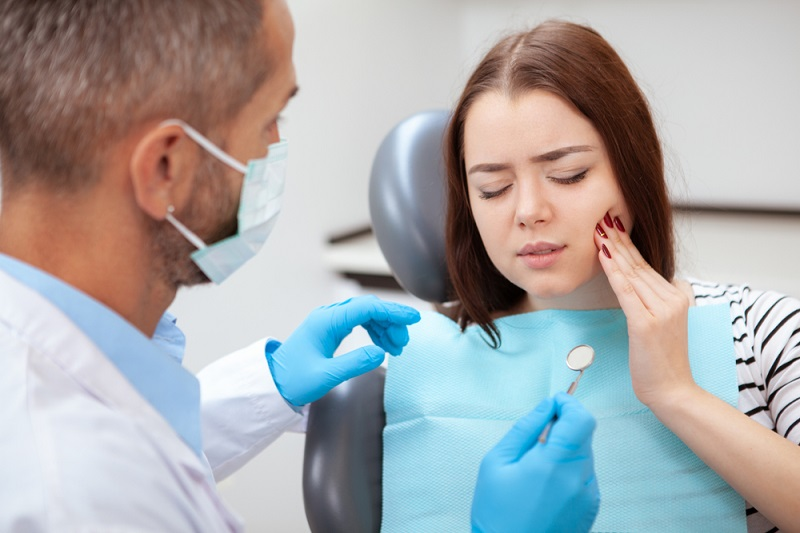
Dental Infections and Abscesses
A dental abscess can develop when bacteria enter a tooth through decay, a crack, an injury, or failed dental work. The infection may collect near the root or in the gum.
Common warning signs include:
- Constant throbbing pain
- Swollen gums
- Facial swelling
- Fever
- Pain while biting
- Pus drainage
- A foul taste or smell
Mayo Clinic notes that a tooth abscess can cause pain that spreads toward the jaw, neck, or ear, along with fever and facial swelling.
An abscess requires dental treatment. Antibiotics may be used in some cases, but the source of infection often needs treatment through drainage, root canal therapy, or extraction.
Biting Hard Foods and Objects
Teeth are strong, but they are not unbreakable. Biting ice, hard candy, popcorn kernels, bones, or very hard nuts can crack enamel or damage an old restoration.
Using teeth as tools creates another common risk. Opening packages, cutting thread, or removing bottle caps can chip or fracture a tooth in seconds.
A small crack may only cause sensitivity at first. A deeper fracture can expose the nerve and create severe pain. Cracks that reach the pulp may also allow infection to form.
Protect your teeth by using the right tools and chewing hard foods carefully.
Sports Injuries
Sports are a major cause of broken, loose, and knocked-out teeth. Contact sports such as football, basketball, hockey, soccer, and martial arts carry clear risks, but dental injuries can also happen during cycling, skating, and gymnastics.
A mouthguard provides a layer of protection between the teeth and outside force. Custom-fitted mouthguards are often more secure than loose store-bought options.
Parents should make sure children wear mouthguards during both games and practice. Adults who play recreational sports need protection too.
After a sports injury, contact an emergency dentist in cypress tx if a tooth is broken, moved, loosened, or knocked out.
Falls and Everyday Accidents
Dental injuries are not limited to sports. Children may fall from playground equipment, while adults may slip on wet floors or stairs.
The lips and cheeks may absorb part of the impact, but teeth can still crack or move. A strong blow can also damage the tooth root even when the visible crown looks normal.
After a fall, check for:
- Bleeding
- Chipped teeth
- Loose teeth
- Teeth that look out of position
- Jaw pain
- Swelling
- Difficulty opening the mouth
A serious head injury, loss of consciousness, or suspected jaw fracture needs emergency medical care first.
Teeth Grinding and Jaw Clenching
Teeth grinding, also called bruxism, places repeated pressure on teeth. Many people grind while sleeping and do not realize it.
Over time, grinding can wear down enamel, loosen fillings, create cracks, and cause jaw soreness. A weakened tooth may eventually break while eating something that would not normally cause damage.
Possible signs include morning headaches, jaw tightness, worn teeth, and unexplained tooth sensitivity.
A dentist may recommend a nightguard to reduce pressure and protect the teeth.
Old or Damaged Fillings
Fillings do not last forever. Years of chewing can wear them down, weaken their edges, or create tiny spaces between the filling and tooth.
Food and bacteria may enter these gaps and cause new decay underneath. The filling may also loosen or fall out during eating.
Regular examinations allow Cypress Dentists to inspect old fillings before they fail completely. Replacing a worn restoration early may prevent the tooth from breaking or developing deeper decay.
Loose or Broken Crowns
Crowns cover and protect weakened teeth, but they can become loose due to decay, wear, trauma, or cement failure.
A crown may fall off while chewing sticky food. Once it is gone, the tooth underneath may feel sensitive and become more likely to crack.
Keep the crown and avoid chewing on that side. Do not use household glue. A dentist must check whether the crown can be reattached or whether a new one is needed.
Gum Disease
Advanced gum disease can weaken the tissues and bone that hold teeth in place. As support is lost, teeth may become loose or painful.
Bleeding gums are often an early warning sign. Later symptoms may include gum recession, bad breath, pus, changes in the bite, and tooth movement.
Routine cleanings and early gum treatment lower the risk of these problems. Once gum disease becomes advanced, more detailed treatment may be required.

Wisdom Tooth Problems
Wisdom teeth can cause emergencies when they become impacted, infected, or partly trapped under the gums.
A partly erupted wisdom tooth can create a flap where food and bacteria collect. This may lead to pain, swelling, a bad taste, or difficulty opening the mouth.
Impacted wisdom teeth can also press against nearby teeth or develop decay in areas that are difficult to clean.
A dental exam and imaging can show whether the wisdom tooth needs monitoring or removal.
Delaying Routine Dental Care
Many urgent dental visits begin with a problem that could have been treated earlier. Fear, cost concerns, or a busy schedule may cause people to delay care.
Unfortunately, dental disease often becomes more expensive when ignored. A small cavity can become an infected tooth. A worn crown may break. Mild gum disease may progress and damage supporting bone.
Preventive appointments help detect these problems before they interrupt sleep, work, school, or family activities.
Cypress Towne Dental may be contacted when urgent symptoms develop, but routine exams remain one of the best ways to lower the risk of preventable emergencies.
Poor Oral Hygiene
Skipping brushing and flossing allows plaque to remain around teeth and gums. This increases the risk of cavities, gum inflammation, and infection.
Good oral hygiene cannot prevent every accident, but it lowers the chance that a weak or infected tooth will suddenly become painful.
Brush twice daily with fluoride toothpaste, clean between the teeth each day, and replace worn toothbrushes regularly.
Smoking and Tobacco Use
Smoking and tobacco can harm gum health and slow healing. They may also make it harder to notice early gum problems because smoking can reduce visible bleeding.
Patients who smoke may face greater challenges after extractions or other dental procedures. Following a dentist’s aftercare advice is especially important.
Anyone who develops worsening pain after an extraction should contact a dental professional. Dry socket can occur when the protective blood clot does not form or becomes dislodged, exposing bone and nerves.
When an Emergency Needs Hospital Care
Most dental emergencies should be treated by a dentist. However, some symptoms require immediate medical attention.
Go to a hospital emergency department for:
- Trouble breathing
- Trouble swallowing
- Severe facial or neck swelling
- Uncontrolled bleeding
- A suspected broken jaw
- Serious head or facial trauma
Trouble breathing or swallowing with dental swelling may mean an infection has spread beyond the tooth.
How Families Can Reduce Their Risk
No family can prevent every dental emergency. Still, simple habits reduce many common risks.
Attend regular checkups, treat cavities early, wear mouthguards during sports, and avoid chewing hard objects. Replace worn fillings and crowns when recommended.
Children should be supervised while brushing, and adults should not ignore recurring pain or swelling. Small warning signs often appear before a major emergency.
Final Thoughts
Dental emergencies commonly result from untreated decay, infection, accidents, sports injuries, hard foods, grinding, damaged restorations, and gum disease.
Some causes are sudden, but many can be reduced through preventive care and safer habits. The key is to treat small dental problems before they become painful.
Contact a dentist when pain, swelling, bleeding, or tooth damage appears. Early treatment may save the tooth, shorten recovery, and prevent a difficult situation from becoming more serious.
FAQs
What is the leading cause of dental emergencies?
Untreated decay is a common cause because it can spread into the tooth nerve and create pain or infection. Accidents, cracks, gum disease, and failed dental restorations also lead to urgent dental visits.
Can dental emergencies be prevented completely?
No. Accidents can happen even with excellent oral hygiene. However, regular checkups, early cavity treatment, sports mouthguards, and avoiding hard objects can reduce the risk of many preventable dental emergencies.
Why do old fillings cause sudden tooth pain?
Old fillings can crack, loosen, or develop gaps at their edges. Bacteria may enter underneath and cause new decay. The weakened tooth can also break, leading to sensitivity, chewing pain, or infection.
