In the residential construction industry, accurate estimates can make or break a project. From budgeting and material planning to bid preparation and profit margins, estimating is one of the most critical parts of running a successful construction business. That’s why many contractors eventually face an important question:
Should you handle residential construction estimating in-house, or outsource it to professionals?
Both approaches have advantages and drawbacks. The right choice depends on your business size, workload, budget, and long-term goals.
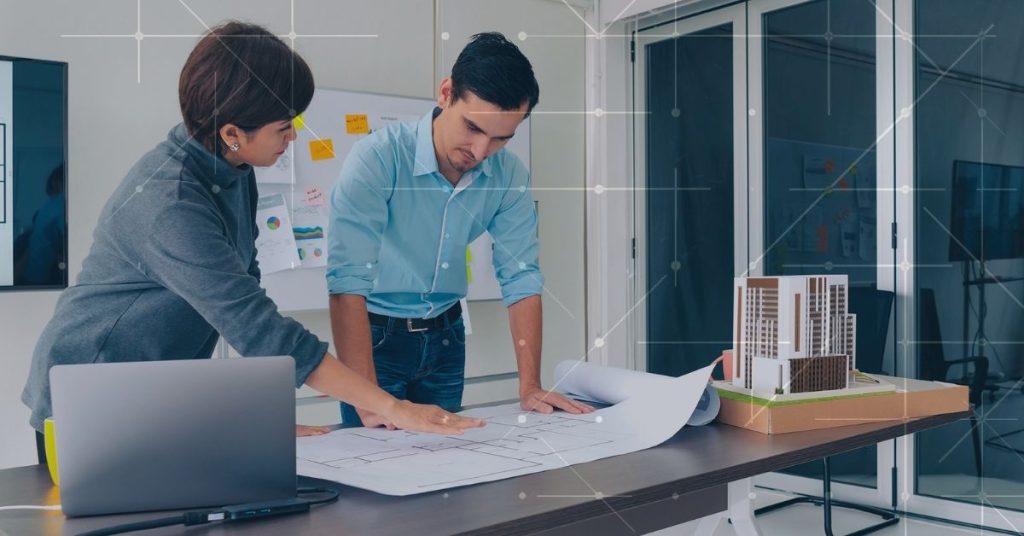
In this guide, we’ll compare in-house and outsourced residential construction estimating services, explain the pros and cons of each, and help you decide which option is best for your business.
What Is Residential Construction Estimating?
Residential construction estimating is the process of calculating the projected cost of a residential construction project before work begins. This includes estimating:
- Material costs
- Labor expenses
- Equipment requirements
- Subcontractor fees
- Permits and overhead
- Contingency allowances
Accurate estimating helps contractors submit competitive bids, manage budgets, and avoid costly overruns.
Whether you manage this process internally or partner with external experts, precision is essential.
What Is In-House Residential Construction Estimating?
In-house estimating means your company handles all estimating tasks internally using your own team, staff, or estimator.
This may involve:
- A dedicated full-time estimator
- Project managers preparing estimates
- Owners handling takeoffs and bids themselves
- Using estimating software internally
Pros of In-House Residential Construction Estimating
1. Greater Control Over the Process
When estimating is done internally, you maintain full control over pricing methods, timelines, and bid strategies.
Your team can:
- Adjust pricing instantly
- Make quick revisions
- Customize estimates to your business model
2. Better Knowledge of Company Operations
Internal estimators understand your:
- Labor productivity rates
- Preferred suppliers
- Profit margins
- Crew capabilities
- Historical project costs
This familiarity can improve estimate personalization.
3. Easier Communication
Working with an internal team means:
- Faster collaboration
- Immediate access to project details
- Easier clarification of scope changes
Cons of In-House Residential Construction Estimating
1. High Overhead Costs
Hiring a skilled estimator can be expensive. Costs include:
- Salary and benefits
- Training expenses
- Software subscriptions
- Office space/equipment
For small and mid-sized contractors, this overhead may be difficult to justify.
2. Limited Capacity During Busy Seasons
When project demand increases, internal teams may struggle to keep up.
This can lead to:
- Missed bid opportunities
- Rushed estimates
- Burnout and errors
3. Dependence on Key Staff
If your estimator is unavailable, leaves the company, or gets overloaded, your estimating process may suffer significantly.

What Is Outsourced Residential Construction Estimating?
Outsourced estimating means hiring a third-party estimating firm or professional estimator to prepare your residential project estimates.
These firms specialize in:
- Material takeoffs
- Labor cost calculations
- Bid estimates
- Quantity surveying
- Preconstruction budgeting
Many contractors use outsourced residential construction estimating services to reduce overhead and improve efficiency.
Pros of Outsourced Residential Construction Estimating
1. Lower Operational Costs
Outsourcing eliminates the need for:
- Full-time salaries
- Employee benefits
- Software licensing
- Training expenses
You only pay for estimates when needed.
2. Access to Specialized Expertise
Professional estimating firms often have extensive industry experience across multiple project types.
They understand:
- Market pricing trends
- Regional cost fluctuations
- Trade-specific estimating standards
- Best practices for quantity takeoffs
3. Scalability and Flexibility
Outsourced estimating allows you to scale up during busy periods without hiring more staff.
This is ideal for contractors who:
- Experience seasonal demand
- Bid inconsistently
- Handle fluctuating project volume
4. Faster Turnaround Time
Dedicated estimating companies often deliver estimates quickly because they focus solely on estimating.
This helps contractors:
- Submit more bids
- Meet tight deadlines
- Improve win rates
5. Reduced Risk of Estimation Errors
Experienced estimators use professional tools and proven workflows to minimize costly mistakes.
Cons of Outsourced Residential Construction Estimating
1. Less Immediate Control
Since the estimator is external, revisions may take longer than making internal changes.
2. Learning Curve With New Partners
A third-party estimator may need time to understand:
- Your pricing preferences
- Markup strategy
- Vendor relationships
- Unique business requirements
3. Communication Delays Can Happen
Without clear communication systems, misunderstandings can occasionally occur.
However, reliable estimating partners minimize this with structured workflows.
In-House vs Outsourced Residential Construction Estimating: Side-by-Side Comparison
| Factor | In-House Estimating | Outsourced Estimating |
|---|---|---|
| Cost | High fixed overhead | Pay per project |
| Flexibility | Limited by team size | Easily scalable |
| Expertise | Depends on staff | Specialized professionals |
| Turnaround Time | Varies by workload | Often faster |
| Control | Full control | Shared control |
| Technology Cost | Paid by company | Included in service |
| Staffing Risk | High | Low |
Which Option Is Better for Small Residential Contractors?
For many small to mid-sized contractors, outsourced residential construction estimating services offer the best balance of cost, flexibility, and expertise.
Why?
Because smaller firms often:
- Cannot justify full-time estimator salaries
- Need help only during busy periods
- Want to increase bid volume
- Prefer focusing on project execution rather than paperwork
Which Option Is Better for Large Construction Firms?
Large contractors with constant project volume may benefit from in-house estimating if:
- They bid daily/weekly
- They have predictable workflow
- They need dedicated full-time estimating support
- They can absorb staffing costs
However, many large firms still outsource overflow work during peak demand.
Hybrid Approach: The Best of Both Worlds
Many successful contractors use a hybrid model:
- Maintain a small internal estimating team
- Outsource overflow or specialized projects
This strategy provides:
- Internal oversight
- External scalability
- Reduced bottlenecks
- Better cost management
How to Choose the Right Estimating Solution
When deciding between in-house and outsourced estimating, ask yourself:
1. How Many Bids Do You Submit Per Month?
High volume may justify internal staff.
2. Can You Afford Full-Time Estimating Overhead?
If not, outsourcing may be more practical.
3. Do You Need Specialized Expertise?
Complex projects may require experienced external estimators.
4. Is Your Workload Consistent?
Fluctuating demand often favors outsourcing.
Why Many Contractors Are Outsourcing Estimating in 2026
The construction industry is becoming more competitive and technology-driven. Contractors are increasingly outsourcing estimating because it allows them to:
- Reduce operational costs
- Bid more projects
- Improve estimate accuracy
- Focus on field operations
- Grow without hiring large internal teams
Final Verdict: Which Is Better?
There is no universal answer—the best choice depends on your business needs.
Choose In-House Estimating If:
- You have steady, high bid volume
- You can support estimator salaries
- You need maximum control
- You have established internal systems
Choose Outsourced Estimating If:
- You want lower overhead
- Your workload fluctuates
- You need expert support
- You want to bid more without hiring staff
For many contractors, outsourcing offers the best return on investment—especially when growth and flexibility are priorities.
Need Reliable Residential Construction Estimating Services?
If you’re looking to improve accuracy, reduce overhead, and scale your bidding capacity, professional estimating support can help.
Explore expert Residential Construction Estimating Services at <a href=”https://contractorslist.com”>ContractorsList.com</a> and discover how outsourcing can streamline your estimating process.
You can also learn more about their broader <a href=”https://contractorslist.com”>construction estimating solutions</a> for contractors and builders.
Conclusion
Choosing between in-house and outsourced estimating is a strategic business decision. While in-house estimating offers control and familiarity, outsourced residential construction estimating services provide flexibility, lower costs, and access to specialized expertise.
The right solution depends on your company’s size, budget, and growth goals.
By evaluating your workload, resources, and operational priorities, you can choose the estimating approach that supports long-term success.
