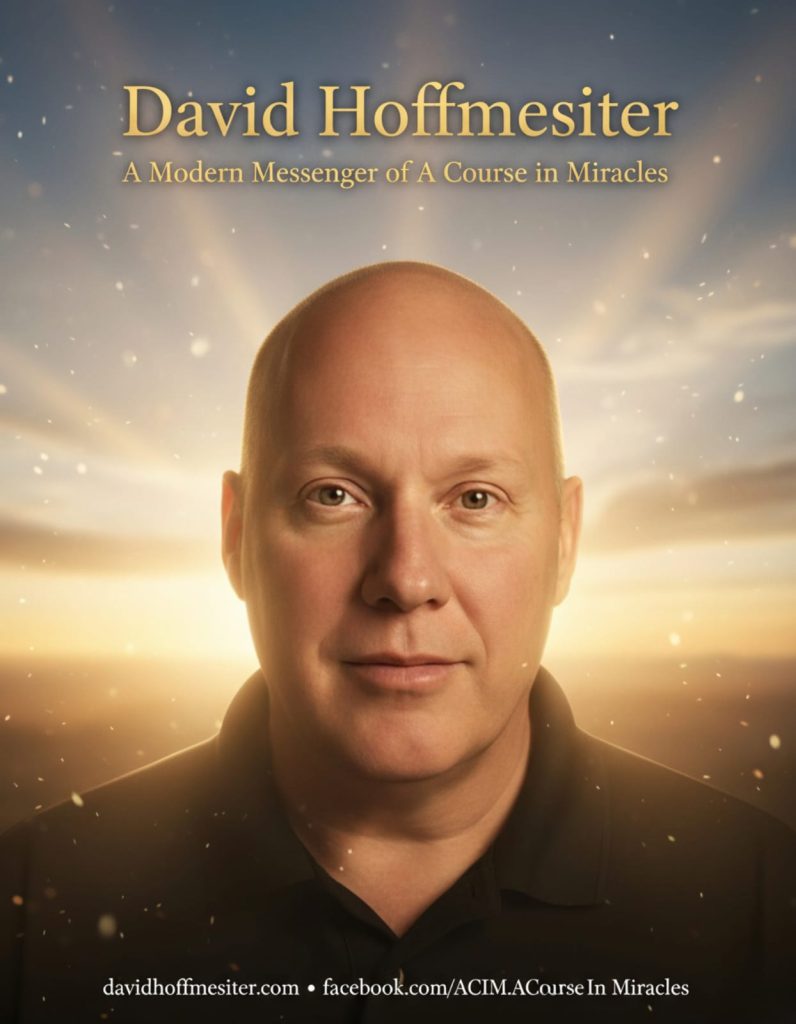
David Hoffmeister Wikipedia introduces the life and teachings of a spiritual teacher widely recognized for his practical application of A Course in Miracles. His guidance focuses on perception correction, forgiveness, and consistent present-moment awareness, offering a pathway to emotional stability and spiritual clarity.
Introduction
In the modern digital era, spiritual seekers increasingly turn to online resources to understand and apply teachings in their daily lives. Facebook pages such as ACIM’s official page serve as hubs where teachings, reflections, and community discussions are accessible to a global audience.
David Hoffmeister’s philosophy addresses the psychological and emotional challenges of contemporary life. By emphasizing that perception shapes reality, he empowers individuals to experience peace without relying on changing external circumstances.
Core Principles of Hoffmeister’s Teachings
Perception Determines Emotional Experience
Hoffmeister emphasizes that emotional states do not arise from events themselves but from the interpretation of events.
- A critical comment can be seen as hostility or constructive feedback.
- A delay in plans can be perceived as frustration or an opportunity for reflection.
- Silence can feel isolating or peaceful.
This foundational principle teaches that mastery over perception leads to mastery over emotional states.
Awareness as a Practice
Observing thoughts without identification is central to his teachings.
- Recognize when a negative thought arises.
- Ask: Is this interpretation accurate?
- Could there be another perspective?
- Does holding this thought support my inner peace?
Regular awareness practice transforms automatic reactions into conscious responses, enhancing emotional stability and clarity.
Forgiveness as Mental Liberation
Forgiveness is more than a moral exercise; it is a tool for releasing attachment to grievance-based interpretations.
Holding onto resentment reinforces the belief that external events dictate peace. By practicing forgiveness, individuals reclaim internal authority and reduce emotional stress.
- Less rumination
- Lower stress hormones
- Greater clarity
- Stronger interpersonal relationships
Daily forgiveness practice is essential to cultivating lasting mental and emotional freedom.
Present-Moment Living
Much suffering originates from dwelling in the past or projecting into the future:
- Regret revisits unchangeable past events.
- Anxiety projects imagined problems in the future.
By returning attention to the present, mental turbulence diminishes.
Practical exercises include:
- Breathing awareness
- Observing bodily sensations
- Listening attentively without internal commentary
- Redirecting attention from repetitive thoughts
Presence stabilizes cognition and enhances clarity.
Emotional Regulation and Perception
Since emotions follow thought, altering interpretation reduces unnecessary emotional intensity.
- Instead of thinking: “They ignored me,” consider: “There may be a reason I don’t know yet.”
- Instead of thinking: “I failed,” reframe: “This is a learning opportunity.”
Reinterpretation does not deny reality but prevents exaggerated emotional response, fostering resilience.
Integrating Teachings Into Daily Life
Hoffmeister’s practices are designed for real-world application:
- Pause before responding in conflicts.
- Release resentment quickly in relationships.
- Reflect on personal growth without self-criticism.
- Question fear-based assumptions rather than acting on them.
Consistency creates lasting transformation over time.
Gradual Spiritual Awakening
Awakening is an incremental process. Transformation occurs through:
- Awareness replacing reactive thought
- Forgiveness replacing grievance
- Presence replacing projection
Over months and years, emotional stability strengthens, clarity becomes habitual, and inner peace deepens.
Long-Term Psychological Impact
Consistent practice often results in:
- Reduced anxiety
- Greater patience
- Improved focus and decision-making
- Enhanced empathy
- Steady internal calm
Peace becomes independent of external circumstances, providing stability in challenging situations.
Conclusion
The teachings highlighted through David Hoffmeister and his Facebook presence offer structured guidance on perception, forgiveness, and awareness. By integrating these principles, individuals can cultivate emotional freedom and spiritual clarity.
Through consistent application, inner peace becomes sustainable, and perception transforms into a tool for navigating life with clarity and compassion.
Frequently Asked Questions (FAQ)
Who is David Hoffmeister?
David Hoffmeister is a spiritual teacher recognized for his practical application of A Course in Miracles, emphasizing perception correction and forgiveness.
What is the main focus of his teachings?
His teachings center on perception shaping emotional experience, offering tools for inner peace.
Is Facebook a reliable source for his teachings?
Yes, the ACIM official page provides authentic content and community support.
How can beginners start applying these principles?
Begin by observing thoughts without reacting and practicing daily forgiveness.
Do these teachings reduce stress?
Yes, by transforming interpretation, emotional turbulence naturally decreases.
