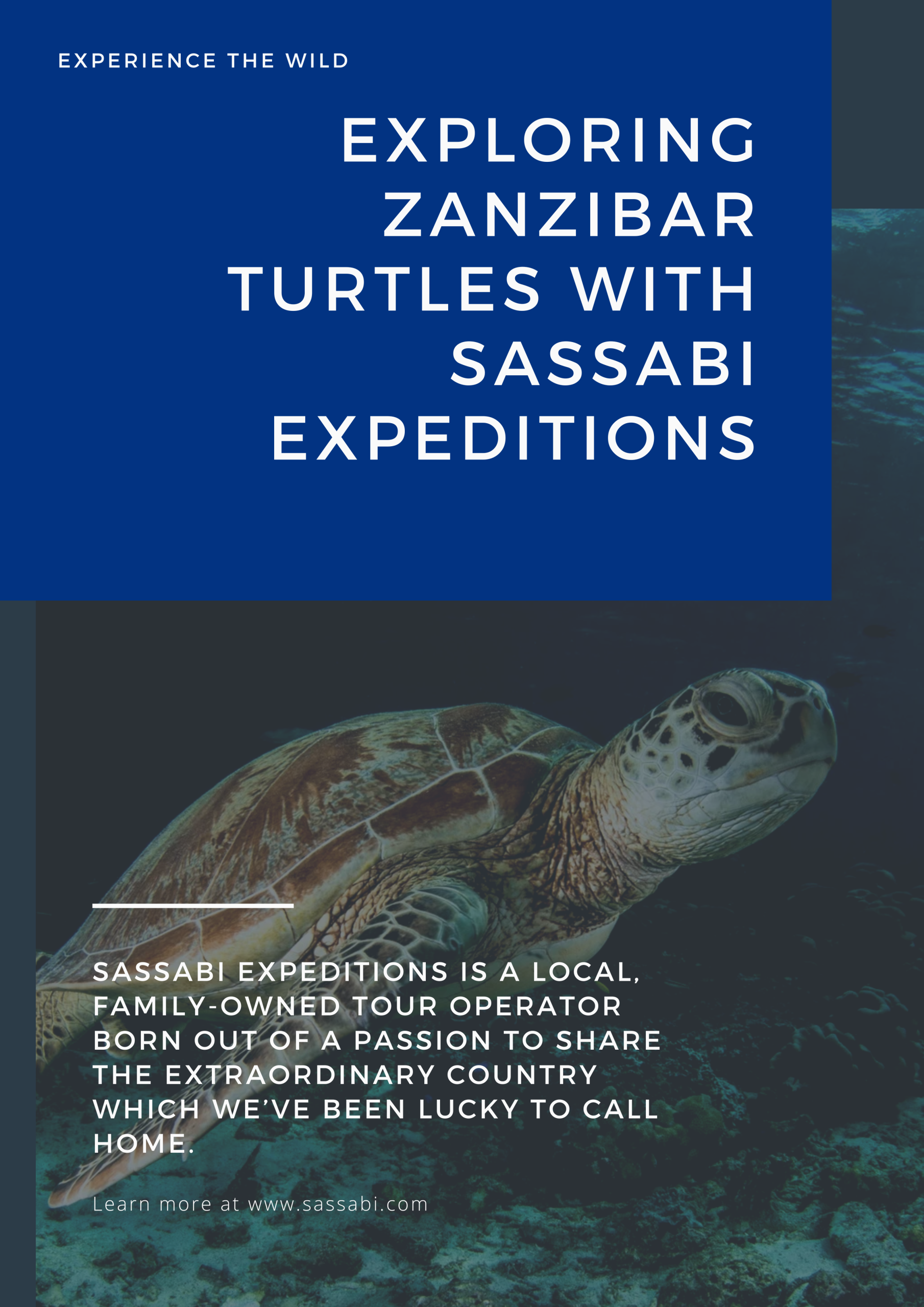
Did you know that turtles are actually reptiles? They share many characteristics with the lizards, crocodiles, alligators, and even snakes. However, they are not exactly the same as any of these. In fact, they are the descendants of a distinct group of the kingdom Animalia called “Pantestudines.” Many of the members of this group went extinct, and only a few of them were adopted and evaluated to survive in the present-day world. One of the orders that come under this group is Testudines.
Scientifically, the Turtles, Tortoise, and Terrapins belong to the order Testudines. The Latin word “Testudines” means shell. All the species that come under this order can be distinguished by their shell covering the top and bottom of their body. This shell protects internal organs from tooth predator attacks. The shell over their body is actually a transformed version of their rib bones.
Turtles Vs Tortoise Vs Terrapin
The word “Turtle” has multiple meanings, it covers all the species coming under the order testudine. At the same time, it also refers to the members of the testudines order that live exclusively in the ea. These marine creatures survive mostly on seaweed and seagrasses.
Tortoises are turtles that live on the ground and are evaluated with elephant-like legs adapted to walk more frequently on the ground.
Terrapins are the semi-aquatic, freshwater-living versions of sea turtles. They live in either fresh or slightly salty (brackish) water, and you will find them in waterholes, ponds, or lakes.
All tortoises and terrapins are turtles. However, the turtles are not terrapins or tortoises, as they remained in their older format as marine creatures. Unlike the other members, they adopted a life on the land or in fresh waters. The place where you will be able to see most of the sea turtles is on the coasts of Eastern Africa, Especially on the Zanzibar Islands of Tanzania.
Zanzibar Beach and Tourism
Zanzibar is a group of Islands on the coast of East Africa. The governorship of the Zanzibar archipelago belongs to Tanzania. It is located in the Indian Ocean and consists of many tiny islands. However, two of these tiny islands are comparatively large. One is “Unguja,” which is the main island, referred to informally as Zanzibar. The other one is Pemba Island, which is the second largest in this archipelago. The capital is Zanzibar City, which is situated on Unguja Island. Its historic center, Stone Town, is a World Heritage Site in Tanzania.
Swimming with The Zanzibar Turtles of Tanzanian Coasts
In 2023, Zanzibar welcomed a record 638,498 tourists. A common interest of more than 50% of tourists is swimming with turtles in Zanzibar. Zanzibar turtles live in the natural lagoons formed for natural reasons. These freshwater springs are known as the lagoons’ most interesting and distinctive features on this island’s southern and eastern shores, especially Kendwa Beach.
There are seven species of sea turtles found in the entire world. Fortunately, 5 of them live on the coast of Zanzibar Islands. You would be surprised that there are no such scientific classifications as “ Zanzibar Turtles.” Many tourists use the term, wildlife specialist to refer to all five species of sea turtles in Zanzibar in a broader way to describe the sea turtle species habituating the coasts of Zanzibar Islands.
Species of Sea Turtles in Zanzibar
Sea turtles are one of the endangered species of marine life. Exposure to plastic pollution, poaching, human consumption, and destruction of natural habitats has made the survival of these creatures terribly tough. Luckily, there are five species of sea turtles that can be found in the costs of Eastern Africa, especially near the Zanzibar Islands,
- Green Turtle (Chelonia mydas)
The green sea turtle (Chelonia mydas) is also known as the green turtle, black (sea) turtle, or Pacific green turtle. They belong to the species of large sea turtle of the family Cheloniidae. It is the only surviving species in the genus Chelonia. Its range extends throughout tropical and subtropical seas around the world. With two distinct populations in the Atlantic and Pacific Oceans, it is also found in the Eastern African coasts of the Indian Ocean. The name refers to the usually green fat accumulated beneath its carapace due to its herbivore diet exclusively on seagrass, not to the color of its carapace, which is olive to black.
- Hawksbill Turtle (Eretmochelys imbricata)
The hawksbill sea turtle (Eretmochelys imbricata) is critically endangered. It is the only extant species in the genus Eretmochelys. The species has a global distribution that is largely limited to tropical and subtropical marine and estuary ecosystems. Bioscientist Linnaeus described the hawksbill sea turtle as Testudo imbricate in 1766, in the 12th edition of his Systema Naturae. In 1843, Austrian zoologist Leopold Fitzinger moved it into the genus Eretmochelys. In 1857, the species was temporarily misdescribed as Eretmochelys imbricata squamata. It has one of the highest populations of turtles in Zanzibar.
- Loggerhead Turtle (Caretta Caretta)
The loggerhead sea turtle (Caretta caretta) is a species of oceanic turtle distributed throughout the world. It is a marine reptile belonging to the family Cheloniidae. The average loggerhead measures around 90 cm (35 in) in carapace length when fully grown. Adult loggerhead sea turtle weighs approximately 135 kg (298 lb), with the largest specimens weighing in at more than 450 kg (1,000 lb). The skin color ranges from yellow to brown in color, and the shell is typically reddish brown. No external differences in sex are seen until the turtle becomes an adult, the most obvious difference being that adult males have thicker tails and shorter plastrons (lower shells) than females.
- Leatherback Turtle (Dermochelys coriacea)
The leatherback sea turtle (Dermochelys coriacea), sometimes called the lute turtle, leathery turtle or simply the luth, is the largest of all living turtles and the heaviest non-crocodilian reptile, reaching lengths of up to 2.7 meters (8 ft 10 in) and weights of 500 kilograms (1,100 lb). It is the only living species in the genus Dermochelys and family Dermochelyidae. It can easily be differentiated from other modern sea turtles by its lack of a bony shell; instead, its carapace is covered by oily flesh and flexible, leather-like skin, for which it is named. Leatherback turtles have a global range, although there are multiple distinct subpopulations. The species as a whole is considered vulnerable and some of its subpopulations are critically endangered.
- Olive Ridley Turtle (Lepidochelys olivacea)
The olive ridley sea turtle (Lepidochelys olivacea), also known commonly as the Pacific ridley sea turtle, is a turtle in the family Cheloniidae. The species is the second-smallest and most abundant sea turtle in the world. L. olivacea is found in warm and tropical waters of the Indian Oceans at the coast of Tanzanian Beaches and in the warm waters of the Atlantic Ocean.
Top Places to See Sea Turtles in Zanzibar
The Zanzibar Islands has over 25 beaches. However, not all beaches are ideal for sea turtle sightings. Here are some major destinations to see the Zanzibar Turles,
Mnarani Marine Turtle Conservation Pond
The Mnarani Marine Turtle Conservation Pond was founded in 1993. This is a community-based reservation initiative aimed at preserving native sea turtle species. Located at the northern tip of Nungwi Beach, the sanctuary utilizes a natural coral lagoon to rehabilitate injured turtles and protect nesting sites.
Nungwi Natural Aquarium
Nungwi Natural Aquarium is also known as the Baraka Natural Aquarium. With the name of a pond, it is actually a collection of natural lagoons in Nungwi. This place allows visitors to swim alongside Zanzibar turtles.
Mnemba Atoll Marine Reserve
Mnemba Atoll is a renowned snorkeling and diving destination. This marine life reserve is acknowledged for its vibrant coral reefs and frequent sea turtle sightings. Scuba Divers and snorkelers can observe these sea turtles in their natural environment, along with a diverse array of marine species. The reserve’s clear waters and abundant marine life make it a must-visit spot for underwater wildlife observers and tourists worldwide.
Misali Island
Located off the coast of Pemba Island of Zanzibar, Misali Island is a significant sea turtle nesting site within a protected marine area. The Misali Island Sea Turtle Conservation Project is empowered by local communities to manage their natural resources, promoting both environmental sustainability and economic development. Visitors can witness nesting sea turtles and learn about the challenges and successes of community-based conservation efforts.
Maziwe Island Marine Reserve
Maziwe Island, a designated marine reserve, serves as a crucial nesting ground for sea turtles. The area faces challenges typical of community-based conservation, such as balancing ecological preservation with local livelihoods. Visitors to Maziwe can explore its rich marine biodiversity and support sea turtle conservation initiatives aimed at protecting these vital turtle nesting sites.
When visiting these sites, it’s important to support ethical and sustainable tourism practices to ensure the continued protection of sea turtles and their habitats.
The Life Cycle of Zanzibar Sea Turtles
Sea turtles in Zanzibar follow a fascinating life cycle that begins on the island’s sandy shores. The Zanzibar turtle nesting season typically occurs between the month of February and July. When female turtles return to the beaches where they were born, using their powerful flippers, they dig deep nests in the sand, laying 80–120 eggs per clutch before covering them and returning to the ocean. This natural instinct, called natal homing, ensures that the cycle of life continues in familiar and suitable environments.
After an incubation period of 45–70 days, the eggs hatch, and tiny baby turtles, known as hatchlings, emerge. Guided by the moonlight, they instinctively make their way to the sea, a journey filled with challenges. Natural predators such as crabs and seabirds, along with human-made threats like artificial lighting and pollution, significantly reduce their chances of survival. Only one in a thousand hatchlings will reach adulthood, making their conservation critical.
To improve these survival rates, turtle hatchery programs have been established in Zanzibar. These programs collect vulnerable eggs from disturbed nests and relocate them to protected environments, ensuring they are safe from predators and human activities. Once hatched, the baby turtles are carefully released into the ocean under controlled conditions. While some debate exists regarding the effectiveness of hatcheries in mimicking natural survival conditions, these initiatives have played a vital role in increasing the number of hatchlings reaching the sea, contributing to the overall conservation of Zanzibar’s sea turtle populations.
Meet the Zanzibar Turtles with Sassabi Expeditions, Tanzania
If you are looking for an opportunity to see and swim with the Zanzibar Sea turtles in their natural habitats, you first need to prepare for a trip to the Zanzibar Islands. One of the main challenges in this process is the information about the places where the turtles live at a specific time of year. Tanzanian Tour Operators can solve this problem and make your journey focused only on targeted areas.
Sassabi Expeditions is an all-inclusive Tanzanian tour operator that can help you achieve optimal marine safari experience in Tanzania. Booking your Zanzibar Beach tours with them will make your travel to Tanzania more accessible and enjoyable with knowledgeable local tour guides and experienced scuba divers. Visit the Sassabi Expeditions website for more info, and book your tour to Zanzibar with absolute comfort.
