In today’s digital-first environment, identity management systems have become a core requirement for organizations across industries. Whether in corporate sectors, educational institutions, or service-based organizations, identity cards play a critical role in maintaining security, structure, and operational efficiency.
Modern systems are no longer limited to simple identification tools. They now integrate advanced digital features, structured workflows, and customization capabilities that improve both functionality and visual consistency.
This id card guide explains how modern identity systems work, how organizations manage production workflows, and how advanced features like scannable id features, customization tools, and structured ordering systems are transforming identity management.
Understanding Modern Identity Systems
An identity card system is a structured framework used to identify individuals within an organization. It ensures that only authorized persons can access specific areas, data, or services.
Modern systems go beyond physical cards and include digital integration, secure databases, and automated processes.
A proper id card guide helps organizations understand how these systems function and how they can be implemented efficiently.
Importance of Digital Identity Infrastructure
Digital identity systems have become essential because organizations now manage larger and more complex operations. Manual systems are no longer efficient enough to handle modern requirements.
Key advantages of digital identity systems include:
- Centralized identity storage
- Faster verification processes
- Improved data accuracy
- Reduced administrative workload
- Enhanced organizational security
These systems help organizations maintain structured and scalable identity management.
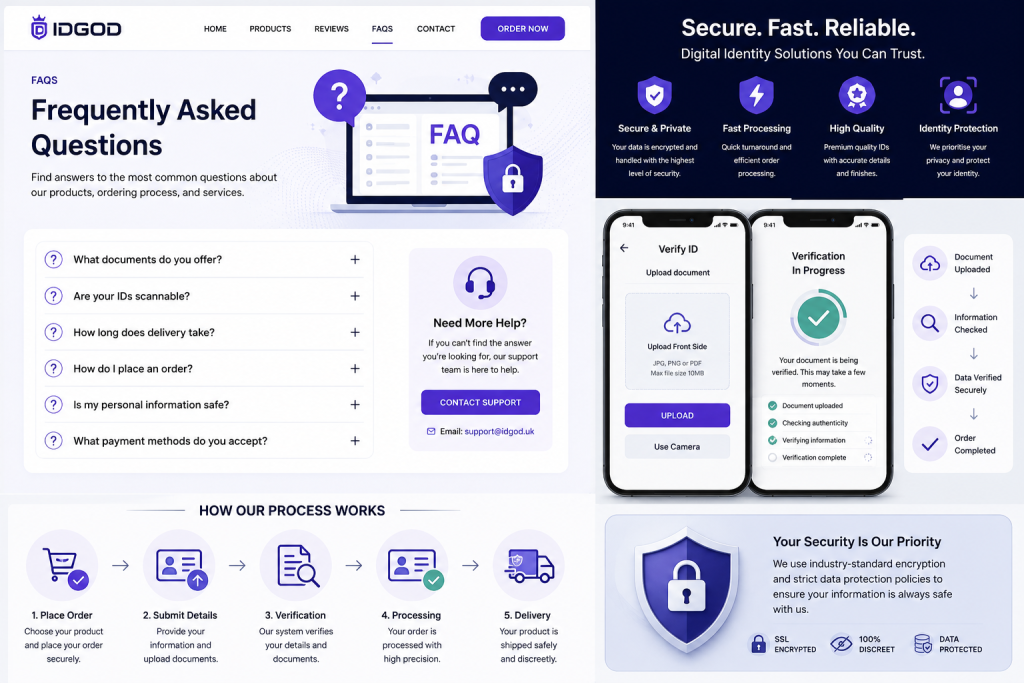
How the ID Card Ordering Process Works
The id card ordering process is a structured workflow designed to ensure accuracy and efficiency in identity card production.
It typically includes the following stages:
1. Data Collection
Organizations submit essential details such as name, ID number, department, and role.
2. Template Selection
Users select a suitable design template based on organizational needs.
3. Custom Design Setup
Colors, logos, and layout structures are adjusted according to branding requirements.
4. Data Integration
Collected information is inserted into the design template.
5. Review Stage
The final design is reviewed to ensure accuracy and consistency.
6. Production Phase
Identity cards are produced using digital printing systems.
7. Delivery Process
Finished cards are delivered to the organization.
This structured process ensures smooth workflow and reduces operational errors.
Understanding Scannable ID Features
Modern identity cards often include advanced verification elements known as scannable id features. These features enhance security and improve identity verification speed.
Common examples include:
- QR codes for instant digital access
- Barcodes for data tracking
- Magnetic strips for secure access control
- Embedded digital identifiers
These features allow organizations to verify identity information quickly and accurately.
Benefits of Scannable Features:
- Instant verification
- Reduced manual errors
- Improved security systems
- Faster access control
- Efficient attendance tracking
These features are widely used in corporate and institutional environments.
Role of ID Customization Information
id customization info refers to the available options for designing identity cards based on organizational needs.
Customization allows organizations to create identity cards that reflect their branding and structure.
Common customization elements include:
- Name formatting
- Department labeling
- Color schemes
- Logo placement
- Layout design
- Typography selection
Customization ensures that identity cards are both functional and visually consistent.
Understanding Novelty ID Details
In modern identity systems, novelty id details refer to flexible design options and template variations that allow organizations to create unique identity structures.
These details include:
- Multiple layout variations
- Flexible design structures
- Creative formatting options
- Template customization features
Novelty-based systems help organizations manage different identity styles for various departments or roles while maintaining structure and consistency.
Security in Identity Management Systems
Security is a critical aspect of modern identity systems. Organizations must ensure that identity data is stored, processed, and managed securely.
Key security features include:
- Encrypted data handling
- Controlled system access
- Secure identity databases
- Verified workflow management
These systems help prevent unauthorized access and protect sensitive organizational information.
Benefits of Modern Identity Systems
Modern identity systems provide several advantages that improve efficiency and organizational performance.
Faster Processing
Identity cards can be created quickly using automated systems.
Higher Accuracy
Digital systems reduce human errors in data entry.
Better Organization
Structured systems improve workflow management.
Enhanced Security
Advanced features protect identity data and access control systems.
Table: Traditional vs Modern Identity Systems
| Feature | Traditional System | Modern System |
|---|---|---|
| Speed | Slow | Fast |
| Security | Low | High |
| Customization | Limited | Advanced |
| Automation | None | Full Digital |
| Verification | Manual | Scannable |
Role of Digital Tools in Identity Creation
Modern organizations rely on digital tools to simplify identity creation and management processes.
These tools provide:
- Automated design systems
- Pre-built templates
- Real-time editing options
- Data integration systems
- Export-ready formats
This reduces workload and improves operational efficiency.
Importance of Standardization
Standardization ensures that all identity cards follow a uniform format and structure across the organization.
Benefits include:
- Consistent branding
- Reduced design errors
- Professional appearance
- Efficient mass production
Standardization is especially important for large organizations managing multiple departments.
Future of Identity Management Systems
The future of identity systems is expected to evolve with advanced technologies such as:
- Artificial intelligence integration
- Cloud-based identity storage
- Automated identity generation
- Real-time verification systems
- Smart identity frameworks
These innovations will make identity systems more intelligent, scalable, and secure.
Conclusion
Modern identity management systems are essential for organizations that require structure, security, and efficiency. This id card guide explains how systems function, including the id card ordering process, customization options, and advanced features like scannable id features.
Understanding id customization info and novelty id details helps organizations design better identity systems that are flexible, secure, and professional.
As digital transformation continues, identity management systems will become more automated, accurate, and advanced—supporting the future needs of modern organizations across all industries.
