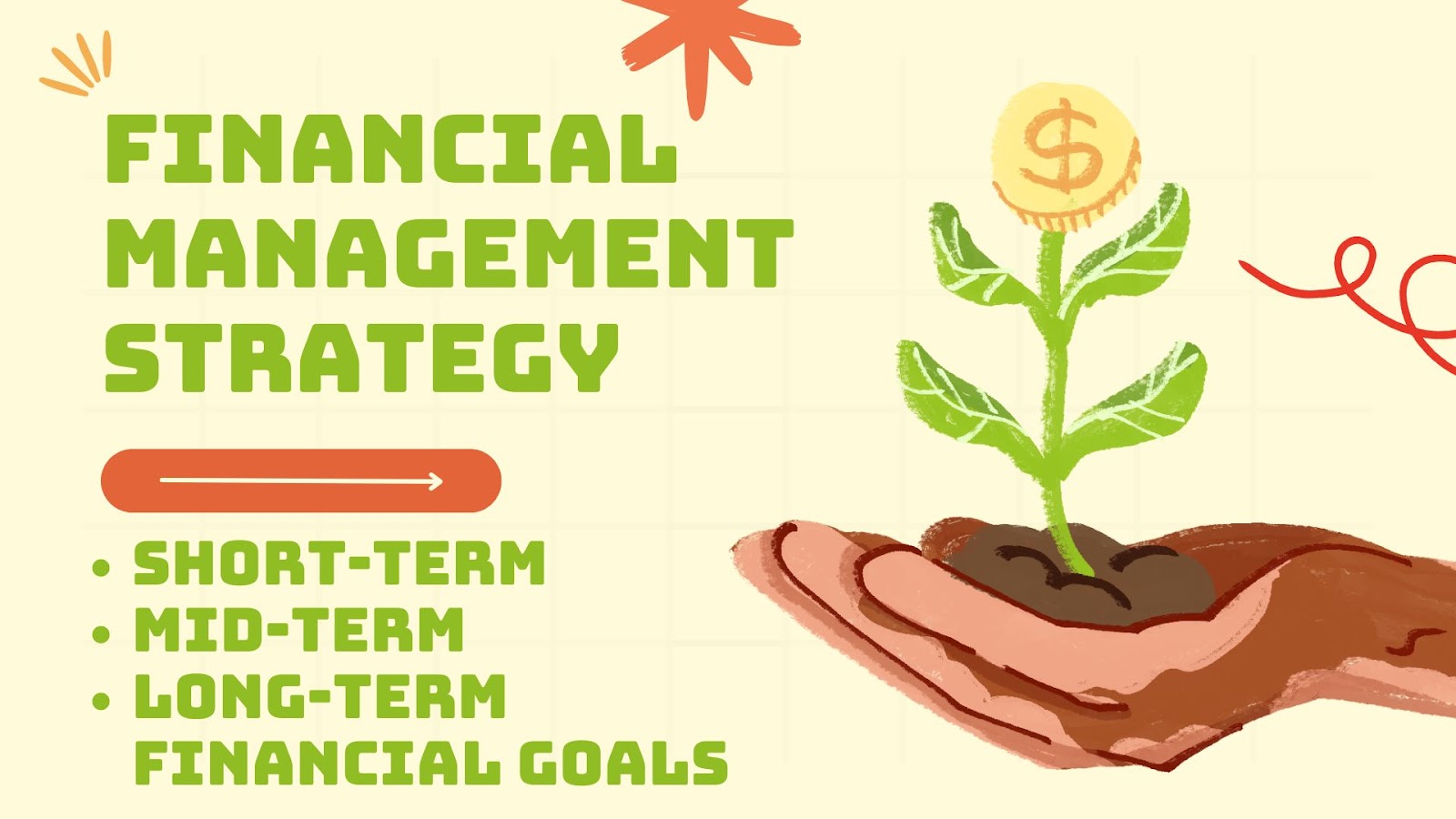

Setting financial goals can feel like staring up at a mountain—daunting, and you may not know where to start. However, breaking down your goals based on timeframes and tailoring them to fit your life makes the process much more achievable and rewarding. In this article, we’ll explore what financial goals are, why they matter, and how to craft them effectively using SMART goal-setting. We’ll also provide examples for each timeframe, and guide you on how to stay motivated, prioritize, and adjust your goals when life throws a curveball.
What Are Financial Goals?
Financial goals are specific objectives that revolve around your money. They can range from paying off debt to saving for a dream vacation, building an emergency fund, or preparing for retirement. These goals provide a framework for managing your income, savings, investments, and expenditures, shaping your financial future.
Why Are Financial Goals Important?
Without a clear financial roadmap, it’s easy to get lost in the day-to-day shuffle of spending and saving, often without realizing how your choices affect your long-term wealth. Financial goals give your money a purpose. They help you stay disciplined, make informed decisions, and hold yourself accountable. Importantly, having financial goals offers peace of mind, knowing you’re actively working toward financial security.
Financial Goal Examples Based on Timeframes
When thinking about financial goals, it’s helpful to categorize them by their timeframe. Generally, financial goals can be divided into three categories:
Short-term Financial Goals: Achievable in the next year.
Short-term financial goals are designed to be achievable within a relatively brief period, usually within a year or less. These goals typically address immediate needs or set the foundation for larger financial aspirations. One of the most common examples of a short-term goal is building an emergency fund, which can protect you against unexpected expenses such as medical bills or car repairs. Paying off high-interest debt, like credit card balances, is another vital short-term goal that can free up financial resources and reduce stress. The simplicity and tangibility of short-term goals make them attainable, giving you a sense of accomplishment as you achieve each one.
In addition to their immediate impact, short-term financial goals often serve as stepping stones for mid-term and long-term plans. For instance, creating and sticking to a budget is a short-term goal that not only improves your financial awareness but also sets the groundwork for more significant financial achievements down the road. Whether you’re saving for a small vacation or making sure you’ve got an emergency safety net, short-term financial goals play a crucial role in establishing the discipline and good habits needed for lasting financial health.
Mid-term Financial Goals: Achievable Within 1-5 years
Mid-term financial goals typically take one to five years to achieve and often involve a higher level of planning and discipline than short-term goals. These might include saving for a down payment on a house, starting a small business, or paying off a sizable chunk of student loans. Mid-term goals bridge the gap between the immediate priorities of short-term goals and the distant objectives of long-term planning. For instance, if you’re aiming to save $20,000 for a home down payment in four years, you would need to set clear monthly or annual savings targets. Achieving these goals requires a more strategic approach, balancing your current expenses while allocating resources toward future milestones.
Because mid-term financial goals often involve significant life events, they can be more emotionally charged than short-term goals. This makes it crucial to regularly assess your progress and adjust your strategies as needed. Whether it’s refining your budget, increasing your income through a side hustle, or adjusting your savings contributions based on unexpected expenses, staying flexible with mid-term goals ensures you stay on course. These goals are where you begin to see the benefits of your short-term efforts, making the payoff not only financially but personally fulfilling.
Long-term Financial Goals: Plan for and Beyond 5 Years
Long-term financial goals often span five years or more and typically align with life’s biggest milestones. These goals might include saving for retirement, paying off a mortgage, or building a robust investment portfolio that ensures financial independence. Because of their extended timeline, long-term financial goals require consistency, patience, and a solid strategy. For instance, saving for retirement may involve regularly contributing to a 401(k) or IRA, benefiting from compound interest and employer matches over time. The key to long-term goals is persistence; small, steady contributions can grow exponentially, turning ambitious targets into reality.
While long-term financial goals can seem distant, the earlier you start, the easier they become to achieve. Breaking these large goals into smaller, more manageable steps, such as setting annual savings or investment targets, helps keep you motivated and on track. It’s also essential to revisit long-term goals periodically to ensure they still align with your lifestyle, especially as circumstances change. Whether you encounter a shift in career, unexpected financial windfalls, or new family priorities, flexibility in adjusting your long-term plan ensures you continue progressing toward financial security and independence.
Leverage SMART Goal Setting as a Blueprint for Success
SMART goals—Specific, Measurable, Achievable, Relevant, and Time-bound—are a popular framework to ensure your financial goals are concrete and attainable.
- Specific: What exactly do you want to achieve?
- Measurable: How will you know you’ve accomplished it?
- Achievable: Is it realistic given your current resources?
- Relevant: Does this goal align with your broader life ambitions?
- Time-bound: When will you complete it?
For instance, instead of a vague goal like “I want to save money,” a SMART goal would be: “I will save $500 in three months by cutting down on dining out.”
Expert Tip: Use Financial Goal Examples as Inspiration, But Tailor Them to Your Life
While examples of financial goals can offer clarity and direction, it’s essential to personalize them based on your circumstances, values, and lifestyle. What works for someone else may not align with your priorities. Focus on what matters to you, whether that’s retiring early, buying a home, or building a business. Your financial goals should reflect your unique aspirations, not just popular benchmarks.
What Are Examples of Short-Term Financial Goals?
Short-term financial goals often involve immediate needs or small changes that can lead to bigger, long-term success. Some examples include:
- Building an emergency fund: Saving three to six months of living expenses can protect you against unexpected events like job loss or medical emergencies.
- Paying off high-interest debt: Focus on clearing credit card debt or personal loans that carry hefty interest rates.
- Saving for a specific purchase: This could be anything from a vacation, a new appliance, or even a minor home renovation.
- Creating a monthly budget: A simple yet impactful goal to improve your financial awareness and spending habits.
What Are Examples of Long-Term Financial Goals?
Long-term goals involve your broader life plans and often require years, if not decades, of dedication. They often form the foundation of financial planning. Some examples include:
- Saving for retirement: Whether it’s through a 401(k), IRA, or other retirement plans, setting aside money early allows it to grow over time.
- Paying off your mortgage: For many, paying off a home is one of the largest long-term financial commitments.
- Investing for your children’s education: College funds or other savings accounts can be started well in advance.
- Building a legacy or estate: Preparing for wealth transfer or charitable giving ensures your assets benefit future generations or causes you care about.
How Do I Prioritize My Financial Goals?
Prioritization is crucial because not all goals carry the same weight. Start by categorizing your goals into “needs” and “wants.” For example, an emergency fund or retirement savings might rank higher than saving for a vacation. Once you’ve determined which goals are non-negotiable, allocate your resources accordingly. Also, focus on achieving short-term goals that pave the way for your mid- and long-term goals. Small wins will help build the momentum and discipline required for larger, more complex goals.
How Can I Stay Motivated to Achieve Long-Term Financial Goals?
Staying motivated over the long term can be challenging, but there are strategies to help you stay on track:
- Set milestones: Break your long-term goals into smaller, more manageable steps. Celebrate reaching these milestones to maintain enthusiasm.
- Track your progress: Regularly monitoring your progress—whether through apps, spreadsheets, or even monthly check-ins—can keep you focused.
- Visual reminders: Whether it’s a vision board or a simple note in your wallet, reminders of why you’re working toward a goal can serve as a motivational nudge.
- Reward yourself: Occasional small rewards when you reach specific targets can help maintain momentum without derailing your larger goal.
How Do I Adjust My Financial Goals if My Income Changes?
Life is unpredictable, and your financial goals should be adaptable. If you experience a significant change in income, whether positive or negative, reassess your goals with the following in mind:
- Revisit your budget: Adjust your spending and saving habits based on your new income.
- Prioritize essential goals: Focus on what’s most critical, such as debt repayment, emergency funds, or retirement savings.
- Scale back on non-essentials: If your income decreases, it may be necessary to adjust or delay non-essential goals like vacations or luxury purchases.
- Increase contributions: On the flip side, a rise in income could allow you to accelerate certain goals, such as increasing retirement contributions or paying down debt faster.
Final Thoughts
Financial goals, whether short-term or long-term, provide the structure necessary to build a secure and prosperous financial future. By following the SMART goal-setting framework and keeping your goals aligned with your circumstances, you can chart a course toward achieving financial success. Prioritize wisely, stay flexible, and remain committed. With the right mindset, no financial goal is too ambitious.
