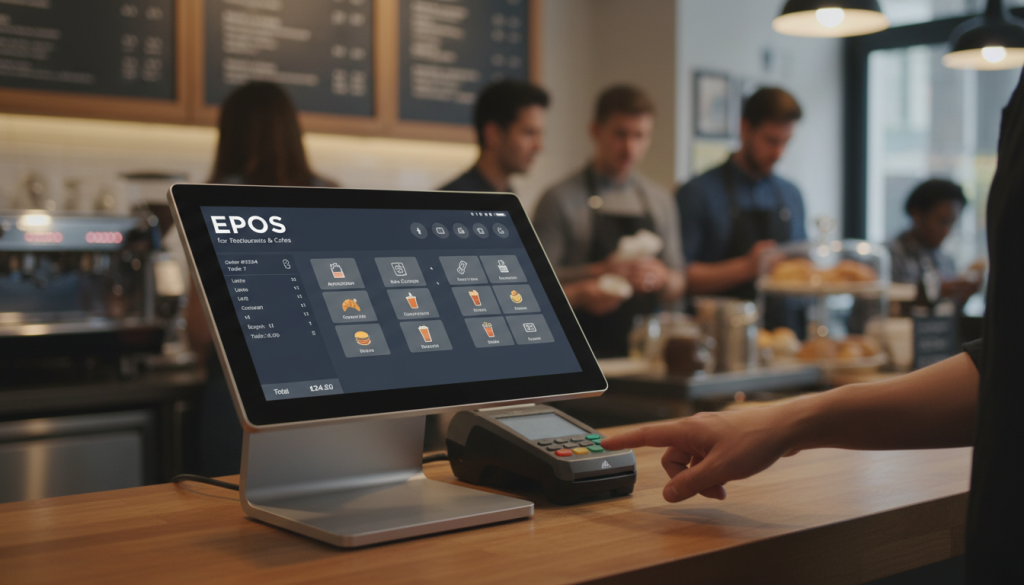
In the high-stakes world of hospitality, the difference between a thriving bistro and a struggling cafe often comes down to seconds. Whether it’s the time taken to relay an order to the kitchen or the speed of processing a bill during the Sunday brunch rush, efficiency is the invisible ingredient in every successful menu.
As the industry pivots toward more digital-centric operations, the demand for high-performance EPOS for restaurants & cafes has moved from a luxury to a fundamental necessity. But what makes a point-of-sale system more than just a digital cash register?
The Evolution of Order Management
The days of handwritten tickets and shouted orders are fading. Modern hospitality thrives on “frictionless” service. When a server takes an order on a handheld device and it instantly populates on a Kitchen Display System (KDS), the margin for human error vanishes.
For many UK-based businesses, finding a tailored solution like CUBE POS has become the strategic move for scaling. By integrating front-of-house interactions with back-of-house logistics, these systems ensure that the kitchen is never overwhelmed and the customer is never forgotten.
Why “One Size Fits All” Doesn’t Work for Hospitality
A retail shop and a busy pizzeria have vastly different needs. A restaurant requires features like table mapping, split-billing, and “course-firing” (notifying the kitchen when to start the mains).
When evaluating an EPOS for restaurants & cafes, business owners should look for three pillars of functionality:
- Intuitive Interface: In an industry with high staff turnover, you cannot afford weeks of training. The software must be “plug-and-play” simple.
- Robust Reporting: You need to know your “best-sellers” and your “wastage” in real-time. If you don’t know your margins on a Tuesday night, you can’t optimize your menu for Saturday.
- Reliability: Cloud-based systems are great, but they must have an “offline mode.” If the Wi-Fi drops, your ability to take payments shouldn’t.
Driving Revenue Through Integration
The modern diner expects more than just a meal; they expect convenience. This means your in-house system must talk to your online world. Integration with delivery platforms (like Deliveroo or UberEats) directly into your POS interface eliminates the need for five different tablets cluttering the counter.
Furthermore, loyalty programs built directly into the EPOS allow cafes to turn a “one-time visitor” into a “daily regular.” By tracking preferences and offering personalized discounts, you build a community around your brand.
The Bottom Line
Investing in a premium EPOS isn’t just about spending money on hardware; it’s about buying back your time. It allows managers to step away from the till and spend more time on the floor with guests.
For those looking to upgrade their current setup, the transition to a specialized EPOS for restaurants & cafes is the most effective way to future-proof a business. In a competitive market, having the right technology is no longer just an advantage—it’s the baseline for survival.
