The UK hospitality sector is currently navigating a period of significant transformation. With rising operational costs and evolving consumer expectations, restaurant owners from the South East to the West Midlands are turning toward advanced technology to maintain profitability. Efficiency is no longer just a goal; it is a prerequisite for survival in a competitive marketplace.
The Evolution of Service in the Capital
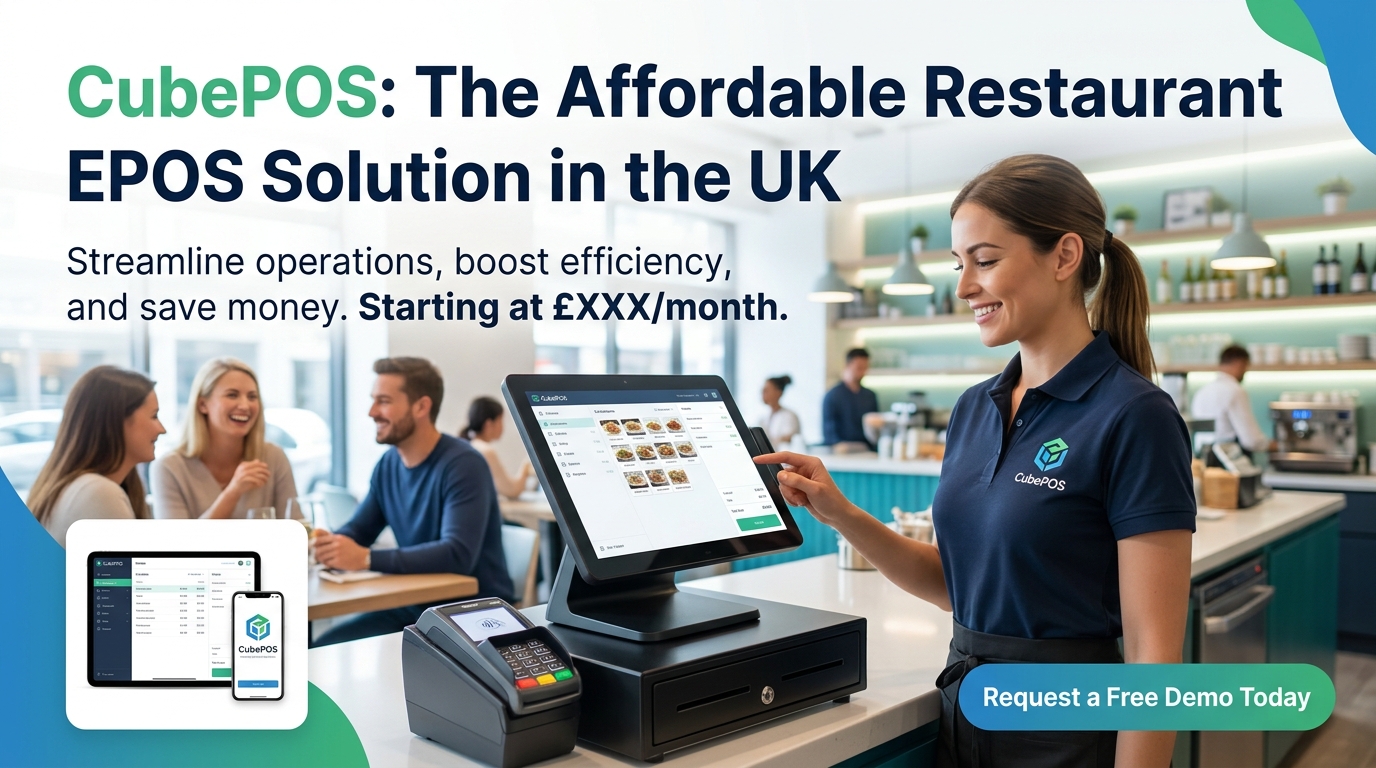
In a fast-paced environment, the ability to process orders quickly and accurately is the difference between a thriving business and a struggling one. For those operating a Restaurant EPOS London, the focus is often on seamless integration. A modern Electronic Point of Sale system does more than just process transactions; it unifies the front-of-house and kitchen operations.
By utilizing cloud-based technology, managers can monitor real-time data from any device, allowing for immediate adjustments to staffing levels or menu offerings. In the busy boroughs of London, where table turnover is a critical metric, having a system that supports mobile ordering and instant kitchen communication ensures that guests spend less time waiting and more time enjoying their experience.
Precision and Control in the West Midlands
Moving toward the heart of the country, the culinary scene continues to expand with diverse concepts ranging from high-end dining to casual street food. Business owners seeking a Restaurant POS system in Birmingham are increasingly prioritizing inventory control and waste reduction.
Managing food margins is a complex task. A professional point-of-sale solution allows operators to track stock levels at a granular level. When a dish is sold, the system automatically deducts the ingredients from the inventory, alerting managers when supplies are low. This level of precision prevents over-ordering and helps in identifying discrepancies, ensuring that the financial health of the restaurant remains robust.
Key Features of Modern Management Software
To truly optimize a restaurant, the software must offer a comprehensive suite of tools tailored to the specific needs of the hospitality industry:
- Integrated Payments: Supporting contactless, mobile, and traditional card payments reduces friction at the end of the meal.
- Customer Relationship Management (CRM): Capturing diner preferences helps in creating personalized marketing campaigns that drive repeat business.
- Staff Scheduling: Built-in modules for managing shifts and monitoring performance help in controlling labor costs.
- Reporting and Analytics: Detailed sales reports provide insights into peak hours and popular menu items, enabling data-driven decision-making.
Driving Success Through Technology
The transition to a digital-first approach allows restaurant staff to focus on what they do best: providing exceptional hospitality. When the technical aspects of the business—such as billing, inventory, and reporting—are automated, the human element of service can shine.
As we look toward the future of the industry, the integration of smart systems will remain the cornerstone of successful operations. By investing in a reliable, scalable platform, restaurant owners can ensure their establishments are prepared for the challenges and opportunities of a modern economy. Robust technology provides the foundation upon which a memorable dining experience is built.