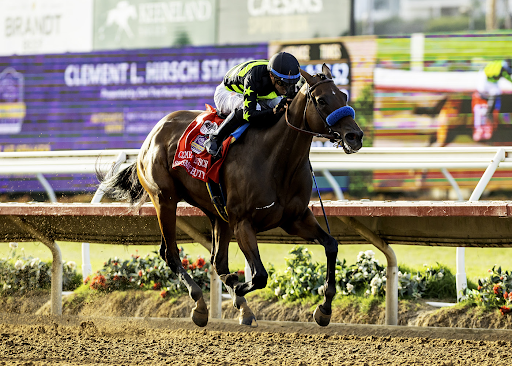
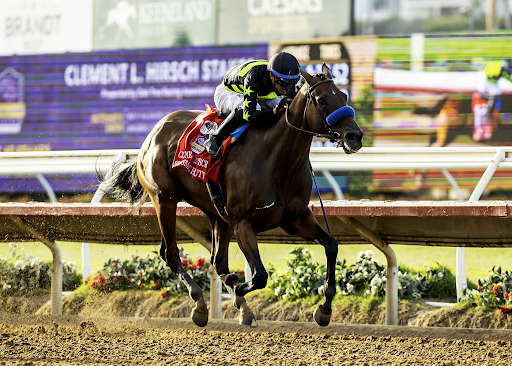
Horse racing has been a part of India’s sporting tradition for centuries, attracting enthusiasts who appreciate the combination of speed, strategy, and skilled horsemanship. Among the country’s prominent racing centers, the Chennai horse race season has built a strong reputation for hosting competitive events featuring well-trained thoroughbreds, experienced jockeys, and respected trainers. Beyond the excitement on the track, horse racing represents a well-organized sport where breeding, training, race conditions, and tactical riding all influence the outcome. Whether you’re attending your first race meeting or simply interested in learning more about the sport, understanding how horse racing works can make every race day more engaging and enjoyable. Chennai continues to be an important destination in India’s horse racing calendar alongside several other major racing centers.
The History of Horse Racing in Chennai
Horse racing in Chennai has a rich history dating back to the colonial era. Over the years, the city has developed into one of India’s established racing hubs, hosting seasonal race meetings that attract owners, trainers, jockeys, and racing enthusiasts from across the country.
The Chennai horse race calendar typically features multiple race days during the season, offering competitions across different classes, distances, and age categories. These structured race programs help maintain competitive racing while providing opportunities for emerging horses to showcase their abilities.
How Horse Racing Works
Understanding the basics of horse racing makes the sport easier to follow.
Several factors determine race conditions, including:
- Horse age
- Performance rating
- Race distance
- Track condition
- Assigned weight
- Class of competition
Each race is designed to create balanced competition, giving horses with varying experience levels the opportunity to compete fairly.
Key Participants in Every Race
Successful horse racing depends on the combined efforts of many professionals working behind the scenes.
Important participants include:
- Owners
- Trainers
- Jockeys
- Stable staff
- Veterinarians
- Race officials
Each plays a vital role in preparing horses for competition while maintaining high standards of horse care and racing integrity.
What Makes Horse Racing Exciting?
Several elements contribute to the excitement of race day.
Fans often enjoy:
- Competitive finishes
- Tactical riding
- Different race distances
- Emerging young horses
- Prestigious feature races
- Seasonal championships
Every race presents unique challenges, making each event unpredictable and engaging for spectators.
Tips for First-Time Racegoers
If you’re attending a race meeting for the first time, a little preparation can enhance the experience.
Helpful suggestions include:
- Review the race program.
- Arrive early to watch the horses in the parade ring.
- Learn basic racing terminology.
- Observe jockey and trainer combinations.
- Follow race commentary.
- Enjoy the atmosphere responsibly.
Understanding these basics helps newcomers appreciate both the athleticism of the horses and the strategy involved in racing.
Factors That Influence Race Results
Horse racing outcomes depend on more than speed alone.
Several variables may affect performance:
- Track conditions
- Distance suitability
- Fitness level
- Jockey tactics
- Starting position
- Competition quality
Experienced followers often study these factors before evaluating race performances, as each can significantly influence the final result.
The Importance of Horse Welfare
Modern horse racing places significant emphasis on the health and welfare of racehorses. Veterinary supervision, regulated training programs, routine health assessments, and carefully managed race schedules all contribute to maintaining the well-being of competing horses.
Race clubs and governing bodies continue to strengthen welfare standards while promoting responsible racing practices throughout the industry.
Horse Racing Beyond Chennai
India’s racing calendar includes several respected racing centers that host seasonal competitions throughout the year. Each venue contributes to the development of thoroughbred racing by organizing races across different classes and distances, providing opportunities for horses to compete under varying track conditions.
This nationwide circuit supports trainers, jockeys, breeders, and owners while keeping the sport active across multiple regions.
Conclusion
The Chennai horse race tradition continues to attract racing enthusiasts through its competitive events, skilled participants, and rich sporting heritage. Those interested in exploring racing across India can also follow the Mysore horse race season, which offers another exciting chapter in the country’s vibrant horse racing calendar with competitive fields and well-organized race meetings. Learning about race formats, horse preparation, and the many professionals involved helps newcomers appreciate the depth and excitement of the sport beyond the finish line.